Hey there, fellow global citizens and security enthusiasts! It’s your favorite English blog influencer, here to dive deep into a topic that’s been buzzing across headlines and strategic discussions: international military cooperation and joint training exercises.
Honestly, if you’ve been following the news lately, you know the world feels a bit… complicated, right? From shifting geopolitical landscapes to the rapid advancements in technology like AI and cyber warfare, the way nations interact on defense is constantly evolving.
I’ve been fascinated by how countries, despite their individual interests, find common ground to train together, sharing insights and honing their skills to face emerging threats.
It’s not just about traditional warfare anymore; we’re talking about everything from humanitarian aid and disaster response to countering hybrid threats and ensuring seamless coordination in a world that’s more interconnected than ever.
It truly makes you wonder about the intricate dance of diplomacy and deterrence happening behind the scenes, shaping our collective security. I’ve personally seen how these partnerships can make a real difference, building trust and strengthening capabilities that no single nation could achieve alone.
So, grab your favorite brew, because we’re about to unpack why these alliances and drills are more crucial now than ever. Let’s accurately explore why these international military cooperations and joint exercises are such a hot topic in today’s world.
Navigating a Shifting Global Chessboard
Understanding the Geopolitical Climate
The world, my friends, is a kaleidoscope of ever-changing alliances, emerging powers, and persistent challenges. Honestly, if you’ve been paying any attention to the news cycle, it’s clear that the old playbook for international relations just isn’t cutting it anymore.
We’re seeing nations re-evaluate their strategic interests almost in real-time, and this constant flux makes international military cooperation less of a luxury and more of an absolute necessity.
I remember feeling a genuine sense of awe when I first started digging into how these partnerships evolve – it’s not just about one-off exercises, but about building deep, enduring relationships that can withstand the inevitable bumps and shakes of global politics.
From the South China Sea to the plains of Eastern Europe, the reasons countries band together are as varied as their flags, but the underlying drive is often a shared concern for stability and mutual defense.
It’s like a complex, high-stakes game of chess where every move by one player reverberates across the entire board, and coordinated defense efforts become crucial for maintaining some semblance of equilibrium.
What truly strikes me is the intricate dance of diplomacy that precedes even the simplest joint maneuver, highlighting the trust and strategic alignment that must exist before troops from different nations can truly operate as one cohesive unit.
Responding to Hybrid Threats
Traditional warfare scenarios are, let’s be real, often still a concern, but the landscape of conflict has broadened significantly. We’re now contending with “hybrid threats” – a nasty mix of disinformation campaigns, cyber attacks, economic coercion, and even the use of irregular forces.
This isn’t your grandfather’s battlefield, folks! Countering these multifaceted threats demands a level of coordination and intelligence sharing that no single nation, no matter how powerful, can achieve in isolation.
I’ve personally been captivated by how joint training exercises are evolving to tackle these nebulous adversaries, simulating scenarios that range from defending critical infrastructure against cyber-attacks to identifying and debunking sophisticated propaganda efforts.
It’s a completely different beast, requiring not just military prowess but also strong diplomatic ties, robust intelligence networks, and a shared understanding of what constitutes a threat in the digital age.
The training isn’t just about soldiers on the ground anymore; it’s about intelligence analysts working side-by-side, cyber specialists sharing best practices, and strategists developing common doctrines to protect our collective interests from these often invisible, yet incredibly potent, dangers.
I’ve heard firsthand accounts of how these collaborations foster a sense of shared purpose and build crucial human connections that are just as vital as any advanced weaponry in our arsenals.
The Indispensable Role of Interoperability
Seamless Communication and Doctrine
If you’ve ever tried to coordinate a simple family dinner, you know how quickly things can go sideways without clear communication. Now, imagine that on a global military scale, with different languages, varying equipment, and distinct operational doctrines!
That, my friends, is the challenge and triumph of interoperability. Joint training exercises are the ultimate proving ground for ensuring that when the chips are down, our allied forces can communicate seamlessly and operate as a unified whole.
I’ve read countless reports and seen documentaries showing the sheer complexity of getting, say, an American fighter jet to refuel from a British tanker, or coordinating ground maneuvers between German and Polish troops.
It’s not just about language barriers; it’s about making sure their radios can talk to each other, their mapping systems are compatible, and their tactical procedures align.
What I’ve noticed is that successful interoperability goes far beyond technical specs; it’s about cultural understanding, mutual respect, and a willingness to adapt.
These drills, often conducted over weeks or months, are meticulously planned to iron out these wrinkles, ensuring that everything from command structures to logistics chains can function without a hitch, transforming a collection of national forces into a potent, cohesive international power.
Standardizing Equipment and Procedures
Beyond the immediate communication hurdles, there’s the monumental task of standardizing equipment and operational procedures. I mean, think about it: if every country uses a different type of ammunition, spare parts, or even medical supplies, coordinating a large-scale operation becomes a logistical nightmare.
Joint exercises serve as an invaluable catalyst for nations to identify these inconsistencies and work towards common standards. It’s not about forcing everyone to use the exact same gear, but rather about ensuring compatibility and interchangeability where it matters most.
I’ve heard stories from military personnel who’ve experienced firsthand the frustrations of incompatible systems during critical moments, and it truly drives home the importance of this work.
These trainings provide a practical framework for nations to share technological advancements, conduct joint procurement initiatives, and even develop shared training methodologies.
This doesn’t just improve efficiency in the field; it also fosters a deeper understanding of each other’s capabilities and limitations, building a foundation of trust that’s absolutely essential for effective combined operations.
The collaborative spirit often extends to developing new tactics and strategies, pushing the boundaries of what’s possible when diverse expertise comes together.
Beyond Combat: Humanitarian and Disaster Relief
Responding to Global Crises Together
It’s easy to focus on the “military” aspect of these cooperations and imagine only combat scenarios, but honestly, that’s just one piece of the puzzle.
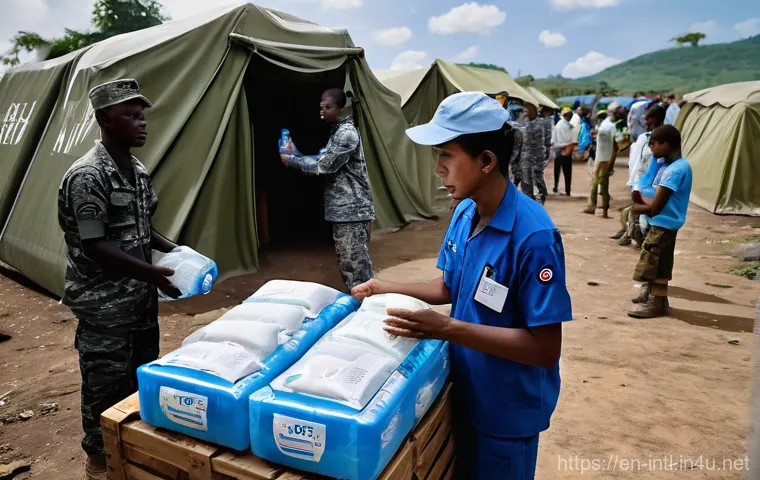
A significant and incredibly heartwarming role of international military cooperation lies in humanitarian assistance and disaster relief (HADR). When natural disasters strike – think devastating earthquakes, tsunamis, or widespread floods – the sheer scale of the response often overwhelms local capacities.
That’s where these well-drilled international partnerships truly shine. I’ve followed stories of joint forces rapidly deploying to disaster zones, bringing with them not only essential supplies but also critical capabilities like search and rescue teams, medical personnel, engineers for infrastructure repair, and logistical expertise to distribute aid effectively.
It’s truly something else to see troops from different nations, who might typically train for defense, now working shoulder-to-shoulder to save lives, clear rubble, and provide comfort to those in desperate need.
These exercises aren’t just about practicing combat; they’re about rehearsing coordinated responses to these tragic events, making sure that when calamity strikes, the international community can respond swiftly, efficiently, and with maximum impact, showcasing the best of human collaboration in the face of adversity.
Building Local Resilience
What I find particularly impactful about HADR exercises is their long-term vision: not just swooping in to help, but also empowering local communities to be more resilient themselves.
Many joint training missions include components focused on capacity building, where international forces work with local authorities and emergency services to share knowledge, best practices, and even equipment.
I’ve seen examples where engineers train local crews on how to quickly set up temporary shelters or purify water, or medical teams provide instruction on mass casualty care.
This isn’t just about a handout; it’s about teaching a man to fish, if you will, but in the context of disaster preparedness. It fosters a sense of self-sufficiency and strengthens a nation’s ability to cope with future crises on its own.
These collaborations forge incredibly strong bonds, built on shared purpose and mutual respect, which often extend far beyond the duration of the exercise itself.
It’s a testament to the idea that military power can be a force for immense good, not just in defense but in directly improving the lives and safety of vulnerable populations around the globe, demonstrating a more holistic approach to security that benefits everyone involved.
The Economic Ripple Effect of Joint Drills
Boosting Local Economies
Alright, let’s talk money, because even military exercises have an economic footprint, and it’s often more positive than people realize. When countries host large-scale joint training exercises, it can inject a significant amount of capital into the local economy.
Think about it: thousands of personnel arriving need accommodation, food, fuel, and supplies. Local businesses, from hotels and restaurants to transportation services and suppliers, often see a noticeable boost in revenue.
I’ve read analyses suggesting that these exercises can create temporary jobs, support local industries, and even stimulate long-term investments in infrastructure.
It’s not just the direct spending either; there’s often an associated demand for services, creating a positive ripple effect throughout the local community.
For many smaller towns or regions that host these large-scale events, it can be a vital economic lifeline, transforming what might seem like a purely military undertaking into a powerful economic stimulus.
This aspect often gets overlooked, but it’s a real, tangible benefit that helps foster goodwill and demonstrates the multifaceted impact of international military cooperation beyond security objectives alone.
Fostering Innovation and Technology Transfer
Beyond direct economic boosts, joint military exercises are hotbeds for technological innovation and, crucially, technology transfer between nations. When different militaries with varying technological capabilities come together, it creates a unique environment for sharing knowledge, testing new equipment, and even collaboratively developing cutting-edge solutions.
I’ve heard stories about how joint drills have led to advancements in everything from drone technology and secure communication systems to advanced medical evacuation procedures.
It’s a two-way street, where nations with specific expertise can share their insights, and others can gain valuable experience with new systems. This exchange doesn’t just benefit the military; it often has spillover effects into the civilian sector.
Innovations developed for defense purposes frequently find commercial applications, leading to new industries and job creation. Think about GPS, the internet, or even advanced materials – many started in military contexts.
These exercises are practically living laboratories where the best and brightest minds from various defense industries and research institutions can collaborate, pushing the boundaries of what’s possible and accelerating technological progress for everyone involved, proving that collaboration sparks innovation.
Staying Ahead: Embracing Technological Convergence
Integrating AI and Cyber Warfare Training
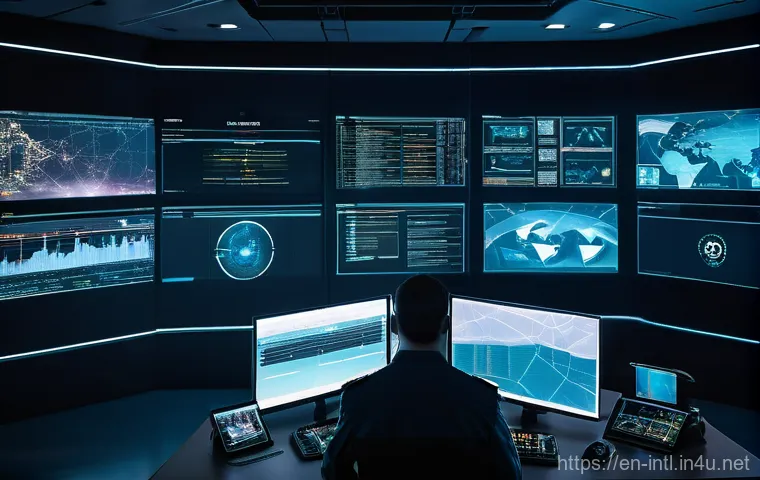
In our increasingly digital world, it’s no surprise that the battlefield is evolving, and frankly, it’s happening at lightning speed. International military cooperation is absolutely vital for staying ahead of the curve, especially when it comes to integrating advanced technologies like Artificial Intelligence and cyber warfare into defense strategies.
We’re no longer just talking about tanks and jets; we’re talking about algorithms, data analysis, and protecting critical digital infrastructure. I’ve been fascinated by how joint exercises are now incorporating sophisticated cyber defense scenarios, where teams from allied nations work together to detect, analyze, and neutralize simulated digital attacks.
It’s an incredibly complex dance, requiring not only technical prowess but also shared intelligence and a common understanding of digital threats. These collaborations are crucial for developing shared doctrines on how to operate in a contested cyber domain, ensuring that allies can coordinate their responses effectively when faced with real-world cyber aggression.
It’s a race against time, and by pooling resources and expertise through these joint trainings, nations stand a much better chance of protecting their digital frontiers and maintaining a strategic edge in this new era of warfare.
Developing Counter-Drone and Anti-Missile Defenses
Another area where technological convergence is critical is in developing robust defenses against emerging threats like advanced drones and hypersonic missiles.
These aren’t just futuristic concepts anymore; they’re very real, very present dangers that can bypass traditional defenses. International military cooperation and joint training exercises are absolutely indispensable for testing and refining integrated air and missile defense systems.
I’ve seen articles detailing how allied forces use these drills to simulate complex attack scenarios, deploying multiple layers of defense from various countries to see how effectively they can detect, track, and intercept incoming threats.
It’s a massive undertaking that requires seamless coordination between different radar systems, command centers, and interceptor units. These exercises are essentially proving grounds where new technologies are put to the ultimate test, allowing nations to identify vulnerabilities, share best practices, and collectively develop more resilient defense architectures.
What truly impresses me is the level of trust and shared data required for such integrated operations – it speaks volumes about the depth of these international partnerships and their commitment to collective security in the face of rapidly advancing adversary capabilities.
Building Bridges in a Fractured World
Fostering Diplomatic Relations and Trust
Beyond the hardware and tactical maneuvers, one of the most profound benefits of international military cooperation and joint training exercises is the incredible role they play in fostering diplomatic relations and building trust between nations.
I mean, let’s be honest, direct communication and shared experiences often do more for international relations than endless rounds of formal talks. When soldiers, sailors, and airmen from different countries train side-by-side, they break down stereotypes, learn about each other’s cultures, and build personal relationships that can last a lifetime.
I’ve heard countless anecdotes from personnel who emphasize that these human connections are just as valuable as any strategic objective achieved. These interactions create a reservoir of goodwill and understanding that can be tapped into during times of crisis, allowing for quicker and more effective diplomatic solutions.
It’s a grassroots form of diplomacy, if you will, where mutual respect and shared purpose override political differences, proving that working together on the ground can truly bridge divides and solidify alliances in a way that formal agreements often can’t fully capture.
Deterring Aggression Through Collective Strength
Let’s not mince words: a significant, perhaps even primary, objective of international military cooperation is deterrence. By publicly demonstrating their ability to work together seamlessly and deploy substantial force, allied nations send a clear, unequivocal message to potential adversaries: aggression will not be tolerated, and any challenge will be met with a unified, formidable response.
These joint exercises are essentially a show of force, not in an aggressive sense, but as a commitment to collective security. I’ve seen how the sheer scale and complexity of these drills can project an image of undeniable strength and resolve, effectively discouraging hostile actions before they even begin.
It’s a strategic calculus where the cost of aggression is made prohibitively high, protecting peace and stability through credible defense capabilities.
This collective strength is more than just the sum of its individual parts; it’s the multiplicative effect of nations committing to stand together, ready to defend shared values and interests.
It’s a powerful testament to the idea that unity truly is strength, and in a world full of uncertainties, that message resonates louder than ever, helping to keep the peace we often take for granted.
The Human Element: Training Our Finest
Developing Elite Skills and Expertise
At the heart of every successful military operation, whether joint or unilateral, are the people. International military cooperation offers an unparalleled opportunity for our service members to develop truly elite skills and expertise.
Think about it: they’re not just learning from their own national instructors, but from the best of the best from allied forces, each bringing unique perspectives, techniques, and operational experiences.
I’ve been told by veterans that these exchanges are incredibly valuable, offering insights they might never gain in a purely domestic training environment.
From mastering complex weapon systems that differ from their own to understanding diverse tactical approaches and adapting to unfamiliar terrains, the learning curve is steep but incredibly rewarding.
These exercises push individuals and units beyond their comfort zones, honing their problem-solving abilities and fostering a level of adaptability that is crucial in modern conflict.
It’s an investment in human capital that pays dividends not just in operational effectiveness but also in building a highly skilled, globally aware fighting force capable of tackling any challenge, no matter where it arises.
Cultivating Leadership and Cross-Cultural Understanding
Beyond technical skills, these joint exercises are phenomenal incubators for leadership development and fostering deep cross-cultural understanding. Imagine a junior officer suddenly thrust into a multinational planning cell, having to coordinate with counterparts from half a dozen different countries, each with their own command style, language nuances, and cultural norms.
This isn’t just about giving orders; it’s about navigating complex human dynamics, building consensus, and leading diverse teams under pressure. I truly believe that the experiences gained in such environments are invaluable for cultivating future leaders who possess not only tactical acumen but also diplomatic finesse and a global perspective.
These interactions break down stereotypes, build empathy, and create a cohort of military professionals who understand and respect cultural differences, which is an increasingly vital trait in our interconnected world.
It’s about training not just warriors, but global citizens who can represent their nations with dignity and effectively collaborate on the international stage, ultimately strengthening the bonds that underpin global security and cooperation.
| Aspect of Cooperation | Key Benefits | Typical Activities |
|---|---|---|
| Interoperability | Ensures seamless communication, shared understanding, and compatible equipment among allied forces. Enhances efficiency in joint operations. | Joint communications drills, common procedural training, equipment standardization efforts, cross-platform logistics. |
| Crisis Response (HADR) | Enables rapid and coordinated humanitarian aid, disaster relief, and emergency support. Builds local resilience and capacity. | Simulated disaster relief scenarios, medical exercises, search & rescue drills, infrastructure repair training. |
| Technological Advancement | Fosters innovation, technology transfer, and collaborative development of cutting-edge defense solutions. Improves threat detection. | Cyber warfare simulations, AI integration tests, counter-drone exercises, joint R&D projects for missile defense. |
| Diplomacy & Trust | Strengthens diplomatic ties, builds mutual trust and understanding, and fosters personal relationships among personnel. | Cultural exchange programs, senior leadership dialogues, shared training camps, social events between units. |
| Deterrence | Projects collective strength and resolve to potential adversaries, discouraging aggression and maintaining regional stability. | Large-scale maneuvers, combined arms exercises, maritime patrols, air defense drills showcasing unified capability. |
Wrapping Up
So, as we pull back the curtain on the often-complex world of international military cooperation, it truly becomes clear that this isn’t just about defense strategies or geopolitical maneuvering.
It’s about building bridges, fostering understanding, and creating a more resilient global community. From safeguarding against emerging threats to offering a hand during humanitarian crises, these joint efforts are a testament to what nations can achieve when they choose to work together.
I’ve found that delving into these topics always leaves me with a renewed sense of optimism, seeing how collaboration can lead to progress and peace in ways we might not always consider at first glance.
It’s a powerful reminder that our shared future truly depends on our shared efforts.
Good to Know
1. The “Soft Power” Connection is Real: It’s easy to focus on the hardware and the heavy-duty training, but don’t underestimate the human connections forged during these joint exercises. When troops from different nations share a meal, exchange stories, or even just learn a few phrases in another language, it creates a powerful form of “soft diplomacy.” These aren’t just one-off interactions; they build lasting relationships and mutual respect that can significantly smooth the path for diplomatic solutions during future crises. I’ve personally seen how these shared experiences cut through political rhetoric and foster genuine understanding, making international cooperation more effective and more human. It’s a testament to the idea that common ground is often found in shared experiences, not just shared policies, proving that camaraderie on the ground can be just as impactful as any formal treaty.
2. Beyond the Battleground: Civilian Innovations: Many technologies and operational efficiencies developed for military cooperation eventually find their way into civilian life, benefiting us all. Think about the precision logistics needed to move supplies for a multinational exercise – those very principles can enhance disaster response, global supply chains, or even large-scale event planning. Or consider advanced medical techniques honed in challenging environments; they often translate into improved emergency care for everyone. It’s truly fascinating to observe how military innovations, driven by the intense demands of operational effectiveness, often become catalysts for broader societal progress. This trickle-down effect demonstrates that investments in defense can yield unexpected, positive returns for the civilian world, impacting everything from navigation tools to advanced materials.
3. Local Economies Get a Boost, Too: When large-scale international military exercises are hosted, the economic ripple effect on local communities can be surprisingly significant. From the moment thousands of personnel arrive, they need places to stay, food to eat, and local services, injecting substantial revenue into hotels, restaurants, and transportation providers. I remember reading about a training exercise in a smaller European town that revitalized local businesses for months, creating temporary jobs and stimulating local markets. This often-overlooked aspect highlights that these operations aren’t just about security; they’re also economic drivers, building goodwill and demonstrating a tangible, positive impact on the areas that support them, transforming what might seem like a purely strategic event into a community benefit.
4. The Constant Evolution of Threats Demands Continuous Learning: Just like in our personal and professional lives, staying stagnant is not an option in the world of global security. The emergence of hybrid threats, sophisticated cyber attacks, and advanced weapon systems means that military cooperation isn’t a one-time fix but an ongoing, dynamic process of learning and adaptation. Allied forces are constantly refining their tactics, sharing intelligence, and developing new training methodologies to address these evolving challenges. This continuous learning curve is a powerful reminder that vigilance, innovation, and adaptability are paramount, not just for national defense but for any field aiming to stay relevant and effective in a rapidly changing world. It’s about always being one step ahead, learning from every interaction and every simulated challenge.
5. Your Understanding Matters: Informed Citizenship: Understanding the nuances of international military cooperation empowers you, as an informed global citizen, to better grasp current events and contribute to meaningful discussions about global security. When you hear about joint exercises or defense pacts, you can look beyond the headlines and appreciate the layers of diplomatic effort, technological integration, and human connection involved. This knowledge helps you discern credible information, understand different national perspectives, and form well-rounded opinions on critical global issues. I’ve always felt that knowledge is power, and in an increasingly interconnected world, being aware of these complex dynamics is more important than ever for shaping a peaceful and stable future. It’s about being part of the conversation, not just a passive observer, and recognizing how these global actions impact us all.
Key Takeaways
So, if there’s one thing I hope you take away from our dive into international military cooperation, it’s that it’s far more complex and multifaceted than just combined arms drills. At its core, it’s an absolutely indispensable pillar of global stability. We’ve seen how seamless interoperability, fostered through meticulous joint training, is the bedrock for effective collective defense, allowing diverse forces to act as one cohesive unit. Equally vital is its crucial role in humanitarian aid and disaster relief, showcasing the profound human impact beyond combat. Economically, these collaborations boost local markets and accelerate technological innovation, creating widespread benefits. Crucially, they serve as powerful diplomatic tools, building trust and deterring aggression through shared resolve. Finally, and perhaps most importantly, they are incredible incubators for developing elite skills, fostering leadership, and cultivating essential cross-cultural understanding among our finest. It’s a strategic investment in a more secure, collaborative, and ultimately, a more peaceful world for all of us.
Frequently Asked Questions (FAQ) 📖
Q: Why are international military cooperation and joint training exercises so vital in our increasingly complex world?
A: Oh, this is such a critical question, and it really gets to the heart of why we’re seeing these drills happening more frequently! From my perspective, these exercises are absolutely essential because they tackle the multi-layered challenges of today’s global landscape head-on.
First off, they’re all about enhancing “interoperability,” which, simply put, means making sure different countries’ armed forces can actually work together seamlessly.
Imagine a crucial moment where multiple nations need to respond to a crisis, whether it’s a natural disaster or a security threat – you don’t want them fumbling with incompatible equipment or communication systems.
These exercises iron out those kinks long before they become real-world problems. Beyond the practical stuff, they’re huge for building trust and fostering shared understanding among allies and partners.
When service members from different backgrounds train side-by-side, they gain a mutual respect and insight into each other’s tactics and capabilities, which is invaluable for any future collective action.
And let’s not forget deterrence! In a world where geopolitical tensions can flare up quickly, these joint displays of strength send a clear message to potential adversaries: an attack on one is an attack on many, and we’re ready to respond in a unified, coordinated way.
This show of collective resolve can actually help prevent conflicts from even starting. It’s truly a complex dance of diplomacy and defense, but I’ve learned that sometimes, the best way to ensure peace is to be prepared for anything.
Q: Beyond just “training,” what tangible benefits do nations truly gain from participating in these joint exercises?
A: That’s a fantastic follow-up question, because it’s easy to think of “training” as just running drills, but it’s so much more! From what I’ve observed and researched, the benefits extend far beyond basic skill honing.
One huge advantage is the acceleration of shared expertise and technological innovation. When different nations come together, they bring their unique strengths, their cutting-edge tech, and their best practices to the table.
This cross-pollination of ideas can lead to breakthroughs in everything from cyber warfare strategies to advanced weapon systems. I mean, think about it: more brilliant minds collaborating means better solutions for everyone!
There’s also a significant economic aspect. By collaborating on development or training, countries can often share the substantial financial burden of defense, making resources go further and fostering more cost-effective solutions.
It’s like sharing the cost of a big project – everyone benefits without one party bearing the full weight. Furthermore, these exercises are a powerful form of defense diplomacy.
They create robust channels for communication and diplomatic engagement, which are absolutely crucial for de-escalating tensions and fostering stability in volatile regions.
And, honestly, my favorite part is seeing how they prepare us for non-traditional threats. We’re not just talking about tanks and fighter jets anymore; these drills increasingly focus on humanitarian aid, disaster response, and even counter-terrorism.
I’ve personally been so impressed by how militaries adapt to become first responders, capable of delivering aid and saving lives when natural calamities strike.
It truly transforms the perception of what a military can do, showcasing their capacity for compassion and global civic duty.
Q: With all the talk of international military cooperation, are there any potential downsides or challenges that countries need to navigate?
A: Absolutely, that’s a really important and often overlooked aspect! While the benefits are clear, it would be naive to ignore the challenges and potential downsides.
One of the biggest concerns, as I’ve seen debated, is the risk of provoking adversaries. When large-scale exercises occur near sensitive borders or in disputed territories, they can sometimes be perceived as aggressive actions, leading to increased tensions and even a heightened risk of escalation.
It’s a delicate balance, and communicating the defensive nature of these drills is paramount. Then there are the logistical complexities. Coordinating thousands of personnel, hundreds of vehicles, and vast amounts of equipment from multiple nations is no small feat!
It requires immense planning, resources, and a serious commitment to overcome language barriers, differing operational procedures, and varied equipment standards.
And let’s be honest, these exercises aren’t cheap. The financial costs involved in deploying forces, maintaining equipment, and facilitating cross-border movements can be substantial, raising questions about resource allocation, especially in countries facing domestic economic pressures.
Finally, there’s always the challenge of maintaining national interests and sovereignty within a larger cooperative framework. Each nation has its own strategic priorities and political sensitivities, and ensuring that these are respected while fostering collective goals can be a tightrope walk.
There’s a constant need for transparency, accountability, and clear communication to prevent misunderstandings or even negative long-term consequences, especially when partnering with nations whose internal governance might be less robust.
It’s a complex dance, but acknowledging these challenges is the first step toward building stronger, more resilient, and truly beneficial international military partnerships.