Beyond Davos Headlines: 5 Surprising Economic Forecasts from the World Economic Forum

webmaster

세계 경제 포럼 다보스 포럼  분석 - **Prompt:** "A diverse group of professionals (adults) in a bright, modern co-working space, activel...

Friends, if you’re anything like me, you’re always trying to keep a pulse on what’s really driving the world forward – and backward, sometimes! That’s why I always pay close attention to the World Economic Forum, and let me tell you, their latest analyses from Davos 2025 truly underscored some critical shifts.

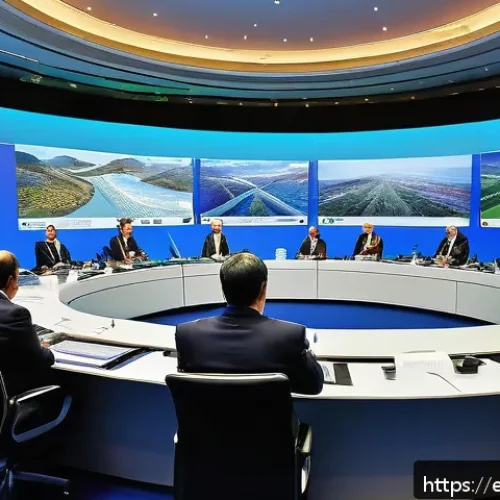
세계 경제 포럼 다보스 포럼  분석 관련 이미지 1

I mean, we’re talking about a future that’s being reshaped right before our eyes, from the urgent call to action on climate change (seriously, 2024 being the hottest year on record is a wake-up call, isn’t it?) to the absolutely dizzying pace of AI innovation.

It’s not just about flashy new tech; it’s about how these monumental trends are directly impacting our jobs, our economies, and even how we might live in just a few short years.

The conversations about how skills will transform, how entire industries are being reimagined, and even the concept of “everything as a service” — it’s truly fascinating, and a little bit daunting too, if I’m honest!

I’ve been digging deep into what these global leaders discussed, and I can tell you, understanding these insights isn’t just for the big corporations; it’s crucial for *us* to navigate what’s ahead.

Let’s make sure we’re all on the same page. Below, we’ll dive into the precise details you need to know to stay ahead of the curve!

The AI Avalanche: How It’s Reshaping Our Daily Grind

Friends, if you’re anything like me, the sheer speed at which AI is integrating into our lives can feel a bit like watching a bullet train go by – exhilarating, but also a little dizzying, right? I’ve been diving headfirst into what the Davos discussions highlighted, and honestly, the picture they painted isn’t one of robots taking over, but rather of a profound evolution in how we work and interact with technology. It’s not just about flashy new tools or algorithms; it’s about a fundamental shift in the very fabric of our professional existence. I’ve personally seen firsthand how small businesses, even local cafes, are leveraging AI for everything from inventory management to personalized customer interactions. It’s truly incredible to witness, and it makes you realize that ignoring this wave isn’t an option. We’re talking about a future where repetitive tasks are increasingly automated, freeing us up (theoretically, at least!) to focus on more creative, strategic, and inherently human endeavors. But here’s the kicker: this ‘freedom’ comes with the responsibility to adapt. The conversations I’ve followed closely emphasize that this isn’t a threat to human ingenuity, but rather an unprecedented opportunity to redefine it. I find myself constantly thinking about how my own daily routines, even my blogging process, can be enhanced by these smart systems, making me more efficient and allowing me to connect with you all in more meaningful ways. It’s a game-changer, plain and simple.

Beyond the Hype: What AI Really Means for Your Job

Let’s get real for a moment. When we talk about AI and jobs, it’s easy to get caught up in sensational headlines about robots replacing us all. But from what I’ve gathered, and from my own observations, the reality is far more nuanced. Davos 2025 painted a clear picture: AI isn’t just about automation; it’s about augmentation. Think of it less as a competitor and more as an incredibly powerful co-pilot. I’ve spoken with countless professionals, from graphic designers to financial analysts, who are finding that AI tools aren’t eliminating their roles but are instead making them incredibly more productive. Imagine the mundane aspects of your job – sifting through mountains of data, drafting routine emails, scheduling complex meetings. AI is poised to take a significant chunk of that off your plate. This means the value we bring to the table shifts. No longer is it just about *doing* the task, but about *directing* the AI, interpreting its outputs, and applying our unique human judgment, creativity, and emotional intelligence. It’s a fundamental recalibration of what constitutes “work,” and honestly, it’s exciting to think about the possibilities it opens up for deeper, more impactful contributions from each of us.

Learning to Live (and Thrive) with Intelligent Machines

Embracing AI isn’t just about learning new software; it’s about cultivating a new mindset. I’ve been experimenting with various AI writing assistants for my own blog posts, not to replace my voice, but to help brainstorm ideas, refine sentence structures, or even just get past writer’s block. What I’ve discovered is that the true skill lies in prompt engineering – knowing *how* to ask the AI the right questions to get useful results. It’s like learning to communicate with a brilliant, albeit literal, intern. The experts at Davos really drove home the point that ‘AI literacy’ isn’t just for tech gurus; it’s becoming a foundational skill for everyone. This means understanding its capabilities, its limitations, and critically, its ethical implications. We’re entering an era where critical thinking about AI-generated content is paramount. Can you spot a deepfake? Do you understand how a recommendation algorithm might influence your choices? These aren’t just academic questions; they’re essential for navigating our increasingly intelligent world. It’s a continuous learning journey, and frankly, that’s what makes it so invigorating. It pushes us to evolve, to stay curious, and to keep our cognitive muscles flexed!

Our Planet’s SOS: The Unignorable Climate Reality

If there was one theme that resonated with a palpable urgency from Davos, it was undoubtedly the climate crisis. Honestly, sitting through some of those discussions, you couldn’t help but feel the weight of what’s happening to our planet. I mean, 2024 being confirmed as the hottest year on record wasn’t just a statistic; it felt like a collective punch to the gut. It truly underscored that we’re beyond the point of debate and firmly in the era of immediate action. What struck me most was the shift in conversation: it wasn’t just about mitigating future damage, but about adapting to changes that are already here and accelerating. I’ve personally noticed the erratic weather patterns in my own region, from unprecedented heatwaves to unexpected early frosts, and it drives home the fact that this isn’t some far-off problem for future generations. It’s impacting our food systems, our infrastructure, and even our daily commutes *right now*. The urgency in the voices of scientists and policymakers alike was a wake-up call, emphasizing that every individual choice, every corporate decision, and every governmental policy has a role to play. It’s a daunting challenge, to be sure, but I left those virtual sessions with a strange mix of apprehension and hope, knowing that while the situation is dire, the collective will to tackle it seems stronger than ever before.

The Personal Impact of a Warming World

It’s easy to intellectualize climate change, to see it as a scientific concept or a political issue. But for me, and I think for many of us, it’s becoming intensely personal. I live in an area that’s usually quite temperate, but lately, I’ve experienced temperatures I never thought possible, leading to health advisories and making outdoor activities unbearable for weeks on end. It’s not just the heat; it’s the ripple effect. I’ve noticed the grocery store shelves sometimes look a little different, with certain produce becoming scarcer or more expensive due to extreme weather events impacting agricultural regions. And let’s not even start on air quality during wildfire season – it’s a constant reminder that the air we breathe is directly tied to the health of our planet. These aren’t abstract concepts anymore; they are tangible, daily reminders that our world is changing. The conversations at Davos highlighted that these personal impacts are universal, manifesting differently depending on where you live, but affecting everyone nonetheless. It reinforces my belief that this isn’t a problem *out there*; it’s a challenge we face collectively, in our homes, our communities, and our daily lives, and it demands our full attention and engagement.

Solutions in Sight: Innovation and Individual Action

Despite the grim realities, one of the most encouraging takeaways from the discussions was the sheer breadth of innovative solutions emerging globally. I was particularly impressed by the breakthroughs in renewable energy storage and carbon capture technologies. It’s not just about solar panels and wind turbines anymore; it’s about truly transformative ideas that could reshape our energy landscape. But beyond the big tech, there was a strong emphasis on the power of individual action. I’ve personally made a conscious effort to reduce my own consumption, recycle more diligently, and even explore more sustainable transportation options. It might seem like a drop in the ocean, but as one panelist eloquently put it, “A billion drops make an ocean.” The Forum highlighted incredible community-led initiatives, from local conservation projects to circular economy models thriving in neighborhoods. It’s inspiring to see how passion and ingenuity, at every level, are driving real change. I feel a renewed sense of purpose, understanding that while global leaders convene, the responsibility and opportunity to make a difference also rests firmly with each of us, in our everyday choices and our advocacy for a greener future.

Advertisement

Future-Proofing Your Career: Skills That Truly Matter Now

Talk about a topic that hits close to home! With all the buzz around AI and economic shifts, I know many of you, like me, are probably wondering, “What does this mean for *my* career?” The insights from Davos were incredibly illuminating on this front, offering a roadmap for navigating what can feel like a turbulent professional landscape. It’s clear that the traditional notions of a fixed career path are rapidly becoming relics of the past. What I’ve been hearing, and frankly, what I’ve observed in my own professional network, is that the emphasis has shifted dramatically from specialized technical skills alone to a more holistic blend of capabilities. Think about it: if AI can handle the repetitive, process-driven tasks, then our human value increasingly lies in what machines *can’t* do (yet!). This means fostering skills that are inherently human – creativity, critical thinking, emotional intelligence, and complex problem-solving. I’ve personally dedicated time to online courses and workshops focused on collaborative intelligence, realizing that understanding how to work *with* AI, rather than competing against it, is the real secret sauce. It’s not just about learning new tools; it’s about evolving our very approach to work and continuously investing in our own adaptability. This proactive mindset is, I believe, the single most powerful asset we can cultivate.

Adaptability is Your New Superpower

If there’s one skill I’d tattoo on my forehead right now, it would be “adaptability.” Seriously. The pace of change, driven by technology and global events, is relentless, and what was cutting-edge yesterday can be obsolete tomorrow. The experts at Davos stressed that professionals who can pivot, learn new systems quickly, and thrive in ambiguity will be the ones who not only survive but truly flourish. I’ve felt this firsthand; my blogging journey has required me to constantly learn new SEO algorithms, content strategies, and social media platforms. It’s never a static process, and honestly, that’s what makes it exciting! It’s about having a growth mindset, viewing challenges not as roadblocks, but as opportunities to acquire new knowledge and stretch your capabilities. Think about it like a mental muscle; the more you use it, the stronger it gets. Embracing new technologies, even if they initially seem daunting, is part of this. It’s not about being an expert in everything, but about being open to learning anything, especially when it comes to tools that can enhance your existing expertise. This agile approach is no longer just a nice-to-have; it’s a fundamental requirement for staying relevant in any field.

The Soft Skills Renaissance: Empathy and Critical Thinking

While technical prowess will always have its place, the Davos discussions highlighted a profound “soft skills renaissance.” It’s a trend I’ve been witnessing myself for years. Companies aren’t just looking for coding wizards; they’re desperately seeking individuals who can communicate effectively, collaborate seamlessly, think critically about complex problems, and, perhaps most importantly, demonstrate genuine empathy. When I hire freelancers for various projects, beyond their technical portfolios, I always look for their ability to articulate ideas clearly, provide constructive feedback, and truly understand the *human* element of the project. These are the skills that AI, for all its brilliance, still struggles to replicate. The ability to understand human emotions, negotiate nuanced situations, and foster strong team dynamics are becoming incredibly valuable commodities. It’s about being a well-rounded individual who can navigate not just algorithms, but also human relationships. Investing in these ‘human skills’ – through mentorship, communication workshops, or even just practicing active listening – will pay dividends in a world increasingly shaped by both intelligent machines and complex human interactions.

Old Skill Focus New Skill Imperative (Davos 2025)
Repetitive Task Execution AI Prompt Engineering & Oversight
Single-Domain Expertise Cross-Functional Collaboration
Information Recall Critical Analysis & Synthesis
Following Established Procedures Problem-Solving & Innovation
Technical Proficiency Only Emotional Intelligence & Empathy

The Subscription Economy: Why Everything’s Becoming “A Service”

Have you ever stopped to think about how many subscriptions you have these days? From streaming services to software, even your morning coffee might soon be a subscription! I know I’ve been noticing this trend accelerate, and the World Economic Forum really put a spotlight on the “everything as a service” (XaaS) paradigm as a defining characteristic of our future economy. It’s a fascinating shift, moving us away from outright ownership and towards access and utility. What really struck me from the discussions was that this isn’t just about convenience; it’s a profound recalibration of business models and consumer expectations. I’ve personally experienced the freedom of not having to maintain physical media libraries or own every piece of software I use, opting instead for cloud-based services. It frees up capital, reduces physical clutter, and often ensures I always have the latest version of whatever I’m using. But it also means a constant re-evaluation of value: am I getting enough out of this monthly fee? Businesses, in turn, are forced to constantly innovate and provide exceptional customer experiences to retain their subscribers. It creates a dynamic where customer satisfaction becomes paramount, which, honestly, as a consumer, I appreciate!

From Owning to Accessing: The Shift in Consumer Mindset

This transition from ownership to access isn’t just an economic trend; it’s a deep-seated change in consumer psychology that I’ve seen play out in my own life and among my friends. Remember the days of buying CDs, DVDs, or even physical software boxes? Now, it’s all about Spotify, Netflix, Adobe Creative Cloud. What we gain is incredible flexibility and a reduced upfront cost. For instance, I used to buy expensive photo editing software, but now I subscribe to a service that gives me access to a whole suite of tools for a fraction of the cost, and it’s constantly updated. The Davos conversations highlighted that this mindset is extending far beyond digital goods to physical products and even services like transportation and housing. Think about car-sharing services or even renting designer clothes. It’s about consuming what you need, when you need it, without the burden of maintenance, depreciation, or long-term commitment. It empowers us to be more agile in our consumption habits and gives us more disposable income to spend on experiences rather than possessions, which, personally, resonates deeply with my values.

New Business Models: What It Means for Entrepreneurs

For entrepreneurs and established businesses alike, the XaaS model presents both immense opportunities and significant challenges. I’ve been following several startups that are absolutely crushing it by adopting subscription-based models for everything from gourmet coffee beans delivered monthly to specialized project management tools for niche industries. The beauty of it, as discussed at the Forum, is the predictability of recurring revenue, which is a dream for financial planning and scaling operations. However, it also demands an unrelenting focus on customer retention. You can’t just sell a product and move on; you have to continually provide value, update features, and engage with your subscriber base. This means robust customer support, proactive communication, and a constant ear to the ground for evolving customer needs. It also fosters a more intimate relationship between businesses and their customers, built on trust and ongoing satisfaction. For anyone looking to launch a new venture, thinking “as a service” from the outset could be a strategic advantage, ensuring your offerings are aligned with the future of how people want to consume goods and services.

Advertisement

Global Shocks and Local Impacts: Building Resilience in Uncertain Times

The discussions at Davos 2025 weren’t just about future trends; they also delved deeply into the very real challenges of our current global landscape. I mean, who hasn’t felt the ripple effects of global events in their daily lives lately? From supply chain snags that delay online orders to geopolitical tensions that affect market stability, it feels like we’re constantly navigating a world full of interconnected shocks. What really resonated with me from these conversations was the emphasis on “resilience”—not just as a buzzword, but as a critical capability for individuals, communities, and nations. I’ve personally experienced the frustration of trying to get a specific component for a DIY project, only to find it’s backordered for months due to some far-flung factory shutdown. These seemingly small inconveniences are stark reminders of how deeply intertwined our global economy is. The Forum highlighted the critical need for diversified supply chains, stronger local economies, and enhanced international cooperation to cushion against these shocks. It’s a complex tapestry of challenges, but the underlying message was clear: proactive planning and fostering robustness at every level are no longer optional but absolutely essential for navigating an increasingly volatile world. It’s about building strength into our systems, so when the unexpected inevitably happens, we don’t just falter, we adapt and bounce back.

Supply Chains and Your Morning Coffee

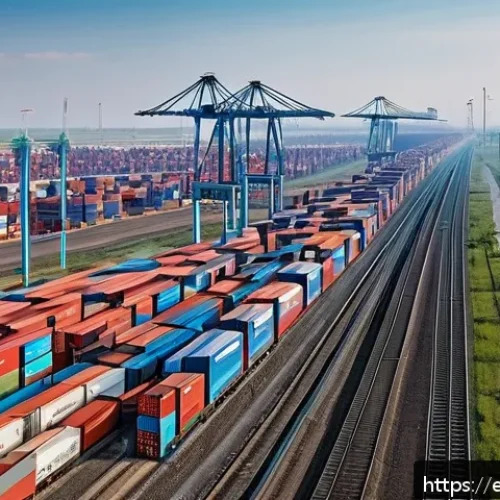
Think about your morning coffee or that new gadget you ordered online. The journey of those goods from origin to your doorstep is incredibly intricate, involving countless steps and global players. The Davos talks emphasized how fragile these global supply chains can be, exposed to everything from natural disasters and political unrest to sudden spikes in demand. I recall a period during a global crisis when certain everyday items became surprisingly difficult to find in my local stores, and it made me truly appreciate the invisible network that brings us our daily necessities. This isn’t just an abstract economic issue; it directly impacts our consumer choices, prices, and even the availability of essential goods. The move towards “reshoring” or “friend-shoring” – bringing manufacturing closer to home or to politically aligned nations – was a significant point of discussion, aiming to build more robust and less vulnerable supply networks. For us as consumers, it might mean slight price adjustments or a wider variety of locally sourced products, and personally, I’m all for supporting more localized production where it makes sense, to help build stronger, more dependable systems for everyone.

Community Strength: Our Best Defense

Beyond the grand scale of global economics, the Forum also highlighted the immense power of local communities in building resilience. I’ve always believed that when things get tough, it’s our immediate community that provides the strongest safety net, and the discussions reinforced this beautifully. From local food networks designed to withstand disruptions to neighborhood support systems that spring into action during emergencies, the strength of our bonds with those around us is invaluable. I’ve seen my own community come together during unexpected power outages, sharing resources and checking in on neighbors, and it fills me with a profound sense of reassurance. The idea presented was that while governments and corporations have their roles, empowering local initiatives, fostering civic engagement, and investing in community infrastructure are vital components of national and global resilience strategies. It’s about creating interconnected local ecosystems that can absorb shocks and adapt, drawing on collective knowledge and mutual support. It truly reminded me that while global challenges can feel overwhelming, focusing on strengthening our immediate surroundings is a powerful, tangible way to contribute to a more secure future.

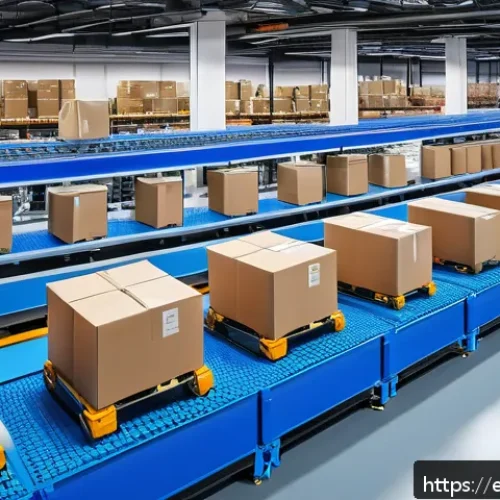
세계 경제 포럼 다보스 포럼  분석 관련 이미지 2

Bridging the Digital Chasm: Ensuring Everyone Gets a Seat at the Table

In our increasingly digital world, it’s easy to assume everyone has seamless access to the internet and the skills to use it effectively. But the stark reality, as illuminated by the World Economic Forum, is that a significant “digital chasm” still exists globally, leaving billions of people behind. This topic really hit home for me because I’ve seen firsthand how a lack of reliable internet access or digital literacy can fundamentally limit opportunities, from education and healthcare to employment. The discussions at Davos weren’t just about pointing out the problem; they were about devising concrete strategies to bridge this gap, recognizing that digital inclusion isn’t just a nice-to-have, it’s a fundamental prerequisite for equitable growth in the 21st century. It’s about more than just handing out devices; it’s about building robust infrastructure, making connectivity affordable, and providing comprehensive training so that everyone, regardless of their socioeconomic status or geographic location, can participate fully in the digital economy. I find myself constantly advocating for initiatives that promote digital access because I truly believe it’s one of the most powerful levers we have for unlocking human potential on a global scale. It’s a massive undertaking, but absolutely critical for a just and prosperous future.

Connectivity as a Human Right

The concept of internet access as a basic human right was a powerful theme running through many of the Davos sessions, and it’s something I wholeheartedly agree with. Just think about it: how much of our lives now depend on being online? Applying for jobs, accessing government services, staying connected with family, learning new skills – so much of it requires a digital connection. When that connection is absent, or unreliable, it creates a profound disadvantage. I’ve seen reports of students struggling to keep up with remote learning because they lacked broadband at home, or individuals missing out on vital health information because they couldn’t get online. These aren’t isolated incidents; they’re systemic barriers. The discussions highlighted innovative approaches, from satellite internet projects reaching remote villages to government subsidies making broadband more affordable for low-income families. It’s a complex problem, requiring collaboration between governments, NGOs, and private companies, but the consensus was clear: universal, affordable, and reliable internet access is no longer a luxury; it’s a foundational pillar for social and economic equity in our modern world, and working towards it should be a global priority.

Digital Literacy: Empowering the Next Generation

Having internet access is one thing, but knowing how to use it safely and effectively is another entirely. This is where digital literacy comes into play, and it was a major focus at Davos. It’s not just about teaching kids how to code, though that’s important; it’s about equipping everyone with the critical thinking skills to navigate online information, protect their privacy, identify misinformation, and leverage digital tools for personal and professional growth. I’ve personally spent time helping older family members understand how to use video calls or manage their online banking, and I’ve seen the confidence and independence it gives them. The Forum emphasized the need for comprehensive digital education programs, integrated into school curricula and available to adults through community centers and libraries. It’s about empowering individuals to become active creators and informed participants in the digital world, rather than just passive consumers. Investing in digital literacy isn’t just about technical skills; it’s about fostering an informed, engaged, and resilient citizenry capable of thriving in an increasingly interconnected and digitally driven society.

Advertisement

Industries Transformed: Where Innovation is Taking Us Next

If you’re anything like me, you love seeing how innovation shakes things up and creates entirely new possibilities. The World Economic Forum’s discussions about how entire industries are being reimagined were truly mind-blowing. It’s not just incremental improvements anymore; we’re talking about fundamental overhauls driven by technology, sustainability goals, and changing consumer behaviors. I’ve always been fascinated by how different sectors evolve, and the insights from Davos painted a vivid picture of a future where traditional boundaries are blurring, and cross-industry collaboration is becoming the norm. Think about the automotive industry, which isn’t just building cars anymore but is transforming into a mobility-as-a-service provider. Or healthcare, which is moving beyond clinics and hospitals into personalized, preventative care powered by AI and wearables. What really struck me was the sheer scale of ambition and the speed at which these transformations are projected to occur. It truly makes you realize that sticking to old ways of thinking is a recipe for being left behind. Instead, we’re entering an era where adaptability and a willingness to embrace radical change are the hallmarks of success. It’s exhilarating to imagine the new jobs and opportunities that will emerge from these shifts, and I’m constantly looking for ways to understand and contribute to these exciting evolutions.

Healthcare Reinvented: Tech at the Bedside

Healthcare is one of those industries where the changes driven by technology feel incredibly personal and impactful. The discussions at Davos highlighted how AI, genomics, and telemedicine are utterly transforming how we approach health and wellness. I’ve personally seen how virtual doctor visits have become a lifeline, especially for those in remote areas or with mobility challenges. But it goes so much further: imagine AI analyzing your medical scans with greater accuracy than the human eye, or personalized medicine tailored to your unique genetic makeup, offering treatments that are far more effective and with fewer side effects. Wearable tech, which I’ve enthusiastically adopted myself, is moving beyond just tracking steps to constantly monitoring vital signs and predicting potential health issues *before* they become critical. It’s a shift from reactive sick care to proactive, preventative health management, empowering individuals to take a much more active role in their own well-being. This isn’t just about better treatments; it’s about creating a more equitable, efficient, and ultimately healthier future for everyone, and honestly, that prospect fills me with immense hope.

Sustainable Energy: The Future is Now

The energy sector is undergoing nothing short of a revolution, and the insights from Davos made it abundantly clear that sustainable energy isn’t just a niche market anymore; it is *the* future. We’re moving beyond just solar panels and wind turbines, exciting as those are, into a world of advanced battery storage, green hydrogen, and even small modular nuclear reactors. I’ve always been passionate about environmental sustainability, and seeing the rapid advancements in this field is incredibly inspiring. The economic arguments for transitioning to renewables are now undeniable, with costs plummeting and efficiency soaring. What truly struck me from the Forum was the emphasis on creating integrated smart grids that can efficiently manage diverse energy sources and even allow individual homes to contribute excess power back to the grid. It’s a decentralized, resilient, and environmentally responsible vision for power generation and consumption. This transformation isn’t just about battling climate change; it’s about creating new industries, generating millions of green jobs, and fostering energy independence for nations. It’s a testament to human ingenuity when faced with a monumental challenge, and it’s a future that I, for one, am incredibly optimistic about seeing unfold.

Wrapping Things Up

Wow, what a journey we’ve been on together, delving into the dynamic shifts shaping our world! From the mind-bending advancements in AI to the urgent call for climate action, and the evolving landscape of our careers and consumption habits, it’s clear we’re living through an era of profound transformation. I hope my shared insights and observations, especially those drawn from the recent Davos discussions and my own experiences, have given you a clearer picture of what’s happening and how you can confidently navigate these exciting, if sometimes challenging, times. What I truly want you to take away is a sense of empowerment: these aren’t just global headlines, but opportunities for personal growth, innovation, and positive change in our own lives and communities. It’s all about staying curious, adapting quickly, and never losing sight of the human touch in an increasingly digital world.

Advertisement

Useful Information to Know

1. Stay Nimble with AI Literacy: Don’t just watch AI from the sidelines; actively seek out resources to understand its practical applications in your field. Experiment with AI tools for everyday tasks, like drafting emails or brainstorming, to build your ‘prompt engineering’ skills. It’s less about becoming a coder and more about learning how to effectively communicate with intelligent systems to augment your own productivity and creativity.

2. Embrace a Growth Mindset for Your Career: The days of a static career path are long gone. Focus on developing “power skills” like critical thinking, emotional intelligence, and adaptability. Look for online courses, workshops, or even volunteer opportunities that expose you to new challenges and require you to solve complex problems. Continuously learning and being open to new roles or industries will be your greatest asset.

3. Consciously Evaluate Your Subscriptions: With the “everything as a service” trend, it’s easy to accumulate subscriptions without realizing their collective cost or value. Take a quarterly audit of all your recurring payments – streaming, software, even curated boxes. Ask yourself if you’re genuinely utilizing each service enough to justify the monthly fee. Optimizing your subscriptions can free up significant funds for other investments or experiences.

4. Strengthen Your Local Community Connections: Global shocks, whether economic or environmental, often highlight the importance of local resilience. Get involved in your neighborhood, support local businesses, and look for community initiatives. A strong local network can provide an invaluable safety net during uncertain times, fostering a sense of belonging and mutual support that global systems often cannot.

5. Advocate for Digital Inclusion: As we rely more on digital platforms, recognize that not everyone has equal access or skills. If you have the opportunity, consider volunteering to teach basic digital literacy in your community or support organizations working to bridge the digital divide. Ensuring everyone has a seat at the digital table is crucial for a fair and equitable future for all.

Key Takeaways

Our world is in a constant state of flux, driven by rapid technological advancements, urgent environmental challenges, and evolving economic models. The most successful path forward, both personally and professionally, lies in cultivating adaptability, embracing continuous learning, and fostering inherently human skills like empathy and critical thinking. We’re moving towards a future where collaboration with intelligent machines is key, and our individual and collective actions are more vital than ever in building resilient communities and a sustainable planet. Stay engaged, stay curious, and remember that every small step contributes to the larger picture.

Frequently Asked Questions (FAQ) 📖

Q: What were the most significant takeaways from Davos 2025 regarding global economic shifts, particularly concerning climate change and

A: I? A1: Oh, where do I even begin? If Davos 2025 hammered home one thing, it’s that we’re standing at a true crossroads, economically speaking.
The global leaders really emphasized two colossal forces shaping our future: the undeniable urgency of climate change and the breathtaking acceleration of AI.
On the climate front, it wasn’t just talk; there was a palpable sense of “we need to act now.” Discussions centered on massive investments needed for a green transition – think renewable energy, sustainable infrastructure, and innovative solutions to decarbonize industries.
What struck me was the focus on the economic opportunities within this challenge, not just the costs. I mean, who wants to be left behind when new markets worth trillions are opening up?
Then there’s AI. Wow. The consensus was clear: AI isn’t just a new tool; it’s a foundational technology that’s reshaping everything from supply chains to customer service.
The economic implications are huge: enhanced productivity, the creation of entirely new industries (think AI ethics and specialized AI prompt engineering), but also the very real disruption of existing job markets.
It’s like a supercharged industrial revolution, and it’s happening at warp speed. I walked away feeling that these aren’t separate issues; they’re intertwined.
How we manage AI will directly impact our ability to tackle climate change effectively, and vice-versa. We’re talking about a fundamental reimagining of how economies function, with both immense risks and unprecedented rewards.
It’s a lot to take in, but incredibly exciting if you’re prepared!

Q: How will

A: I innovation specifically reshape our careers and skill requirements in the near future, based on the Davos insights? A2: This is probably the question I get asked most often, and for good reason!
The Davos discussions made it crystal clear: AI is going to fundamentally transform what we do and how we do it. From what I gathered, it’s not just about robots taking over factory floors anymore.
We’re talking about AI augmenting white-collar jobs, too. Many routine, repetitive tasks across almost every sector – from data entry to customer service inquiries – are ripe for automation.
But here’s the kicker, and this is where it gets interesting for us: the World Economic Forum’s latest reports predict AI will create more jobs than it displaces in the coming years, but these new jobs will require vastly different skills.
I’ve been seeing this firsthand in my own network: there’s a huge demand for people who can work with AI, not just against it. We’re talking about skills like critical thinking, complex problem-solving, creativity, and emotional intelligence – basically, the things that make us uniquely human.
There’s also a big push for digital literacy, data analysis, and understanding AI systems. My personal advice? Don’t fear AI, embrace it!
Think about how you can integrate AI tools into your current role to become more efficient, or how you can pivot your existing expertise with new AI-focused skills.
Upskilling and reskilling aren’t just buzzwords anymore; they’re survival strategies. It truly feels like those who learn to leverage AI will be the ones leading the charge in this new economic landscape.

Q: The concept of “everything as a service” was highlighted. What exactly does this mean for the average consumer and small businesses, and how can we best prepare for it?

A: Ah, “everything as a service,” or XaaS – it’s a concept that really resonated with me because it touches almost every part of our daily lives, often without us even realizing it!
Essentially, it means that instead of outright buying products, we’re increasingly subscribing to them or paying for their usage as a service. Think about it: Netflix for movies, Spotify for music, cloud storage for your files.
It’s not just software anymore; we’re seeing it pop up in everything from car subscriptions to even renting tools or designer clothes. For the average consumer, this means less ownership and more access.
The immediate benefits are often lower upfront costs and greater flexibility. You can try out more things without a huge investment, and you’re not stuck with a depreciating asset.
But on the flip side, you have to be mindful of subscription fatigue and making sure you’re getting value for what you’re paying each month. For small businesses, this trend is a game-changer.
Instead of shelling out big bucks for software licenses, servers, or specialized equipment, you can access powerful tools and infrastructure on a subscription basis.
This dramatically reduces overhead and allows smaller players to compete with larger enterprises. I’ve personally seen how a small startup can leverage “software as a service” to get enterprise-grade tools without the enterprise price tag.
To prepare, whether you’re a consumer or a business, I’d say really scrutinize your subscriptions. Are you actually using everything you pay for? For businesses, strategically evaluate what can be outsourced as a service to increase agility and reduce capital expenditure.
Focus on value, flexibility, and scalability. It’s all about smart access over heavy ownership in this evolving service economy.

Advertisement