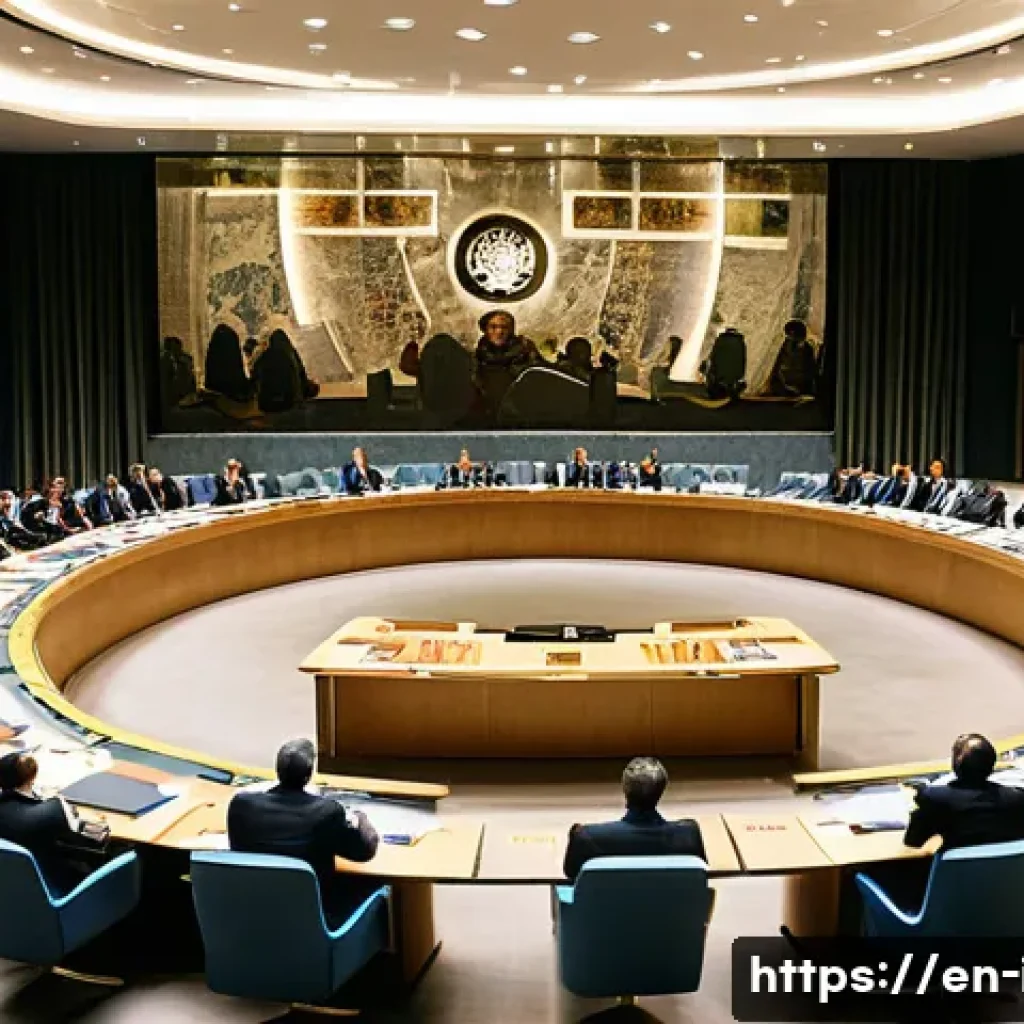
Understanding United Nations Security Council resolutions is crucial for grasping how global peace and security are maintained. These resolutions often shape international responses to conflicts, sanctions, and peacekeeping missions.
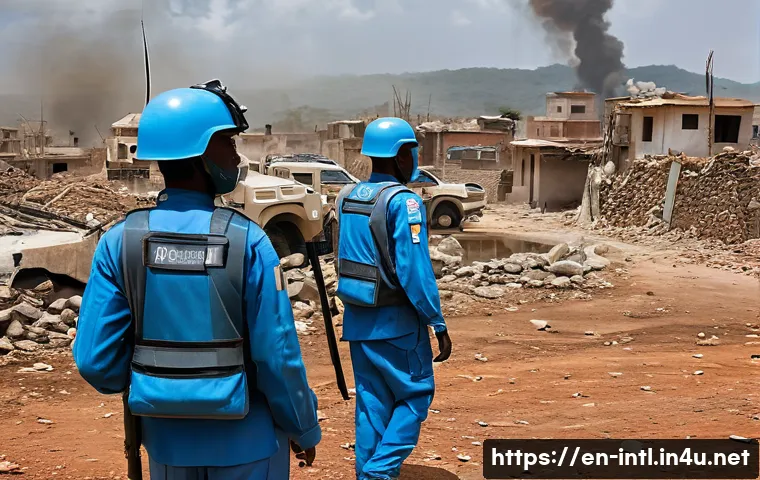
Their language and implications can be complex, reflecting the delicate balance of power among member states. By analyzing these documents, we gain insight into the priorities and strategies of the international community.
If you’re curious about how these decisions impact world affairs and what they really mean, let’s dive deeper and explore the details together!
The Dynamics of Veto Power and Its Impact on Resolution Outcomes
Understanding the Veto Mechanism
The veto power held by the five permanent members of the Security Council—China, France, Russia, the United Kingdom, and the United States—plays a pivotal role in shaping the fate of resolutions.
This unique authority allows any one of these countries to block the adoption of a resolution, regardless of the majority support it might have. From my experience following international news, the veto often reflects not just national interests but also broader geopolitical strategies.
It can stall urgent peacekeeping initiatives or sanctions if a permanent member perceives the resolution as contrary to its agenda or allies. This mechanism highlights the delicate balance between collective security and sovereign interests within the UN framework.
How Veto Power Influences Negotiation Processes
Before a resolution reaches the floor for a vote, extensive behind-the-scenes negotiations occur, often influenced by the looming threat of a veto. Countries propose amendments or soften language to secure unanimous or at least non-opposition from permanent members.
I recall observing how resolutions on conflicts like Syria or Ukraine underwent multiple revisions because of veto threats from Russia or China. This negotiation dance can delay critical interventions but also ensures that resolutions are crafted with some level of consensus, preventing unilateral decisions that could exacerbate conflicts.
The veto, therefore, acts as both a safeguard and a potential roadblock depending on the context.
The Veto’s Role in Shaping International Diplomacy
The veto power inevitably affects diplomatic relations beyond the Security Council chamber. When a country exercises its veto, it sends a powerful message about its foreign policy stance and alliances.
For example, the frequent use of vetoes by Russia in matters related to its neighboring countries has influenced Western diplomatic strategies, often pushing them to seek alternative multilateral forums or bilateral negotiations.
This interplay shapes global diplomatic dynamics, with the Security Council serving as a visible stage for power politics. Understanding this helps decode why some international crises see swift Security Council action while others linger unresolved.
Sanctions as Tools: Crafting and Implementing Security Council Decisions
The Purpose and Types of Sanctions
Sanctions are among the most common tools the Security Council uses to enforce its decisions without resorting to military intervention. They range from economic embargoes and arms restrictions to travel bans and asset freezes.
From what I’ve gathered, sanctions aim to pressure states or entities into compliance with international norms or cease hostile actions. They’re particularly effective when broadly supported, but their impact varies significantly depending on the target’s economic resilience and international relationships.
It’s fascinating how sanctions can sometimes backfire or push targeted regimes into deeper isolation, complicating diplomatic efforts.
Challenges in Enforcing Sanctions
Enforcement of sanctions is a complex process involving member states’ cooperation, monitoring mechanisms, and sometimes unintended consequences. Based on reports I’ve read, loopholes and evasion tactics, such as smuggling or using third-party countries, often undermine sanctions’ effectiveness.
Moreover, sanctions can inadvertently hurt civilian populations, sparking debates over their humanitarian impact. The Security Council tries to balance these risks by tailoring sanctions and periodically reviewing their outcomes.
This balancing act illustrates the challenges of using coercive measures in a highly interconnected world where economic and political interests intertwine.
Case Studies: Sanctions That Shaped Global Politics
Looking at historical examples, sanctions on countries like Iran, North Korea, and South Africa during apartheid reveal how the Security Council’s measures can drive political change over time.
For instance, the gradual tightening of sanctions against Iran in response to its nuclear program eventually led to negotiations and the 2015 JCPOA agreement.
However, the lifting or imposition of sanctions also reflects shifting geopolitical alliances, as seen when some countries resist sanctions due to strategic partnerships.
These examples underscore sanctions’ dual role as both diplomatic tools and expressions of international power dynamics.
Peacekeeping Missions: From Mandate to Execution
Designing Effective Mandates
Crafting a Security Council resolution that authorizes a peacekeeping mission requires careful consideration of the mandate’s scope and objectives. From what I’ve observed, mandates vary widely—from monitoring ceasefires and supporting political processes to protecting civilians and disarming combatants.
The language used in the resolution is crucial; too vague, and the mission may lack direction, too rigid, and it might be unable to adapt to changing realities on the ground.
The Council often relies on expert advice and previous mission experiences to strike this balance, but even then, challenges remain in translating mandates into effective action.
Operational Challenges in the Field
Deploying peacekeepers as authorized by Security Council resolutions faces numerous hurdles, including logistical constraints, security risks, and political obstacles.
I remember reading firsthand accounts from peacekeepers highlighting difficulties like inadequate resources, hostile environments, and complex local politics.
Additionally, peacekeepers must navigate the fine line between impartiality and enforcing mandates, especially in conflict zones with multiple armed groups.
These realities often test the effectiveness of resolutions and the international community’s commitment to peacekeeping.
Measuring Success and Accountability
Evaluating peacekeeping missions authorized by the Security Council involves assessing whether mandates have been fulfilled and if the mission has contributed to long-term stability.
Success isn’t always straightforward; some missions reduce violence but fall short of political reconciliation, while others face criticism for failures or abuses.
The Security Council and UN Secretariat regularly review mission reports and adjust mandates accordingly. This ongoing process reflects the evolving nature of peacekeeping and the need for flexibility in responding to complex conflicts.
The Language of Resolutions: Reading Between the Lines
Diplomatic Nuances and Word Choices
The wording in Security Council resolutions is often painstakingly negotiated to accommodate diverse member interests, resulting in language that can be ambiguous or deliberately vague.
From my experience analyzing several resolutions, phrases like “calls upon,” “urges,” or “decides” carry different weights and implications. Understanding these subtleties is key to interpreting the Council’s intentions and the binding nature of resolutions.
Sometimes, softer language indicates political compromise, while stronger terms signal a unified and urgent stance.
Legal vs. Political Dimensions
While Security Council resolutions have binding legal authority under the UN Charter, many also serve political functions. This dual nature means that not all resolutions have the same enforceability or impact.
For example, Chapter VII resolutions typically authorize enforcement actions, including sanctions or military intervention, whereas Chapter VI resolutions focus on peaceful dispute resolution and carry less coercive force.
Recognizing this distinction helps clarify the practical consequences of resolutions and the expectations placed on member states.
Impact of Ambiguity on Implementation
Ambiguous language can sometimes hinder effective implementation, as member states or UN agencies interpret provisions differently. This can lead to delays, inconsistent enforcement, or disputes over responsibilities.
In some cases, ambiguity is intentional, allowing flexibility to adapt to evolving situations. However, it also opens the door for political maneuvering.
Being aware of these dynamics enables observers and analysts to better anticipate the challenges and potential outcomes of Security Council decisions.
Voting Patterns and Political Alignments
How Voting Reflects Global Alliances
Examining voting records reveals patterns that mirror broader geopolitical alliances and rivalries. The Security Council’s composition and the interests of its permanent and non-permanent members influence how resolutions fare.
For instance, in conflicts involving great power interests, voting often splits along bloc lines, with some members abstaining to avoid direct confrontation.
Observing these patterns helps decode the political undercurrents behind seemingly procedural votes.
The Role of Abstentions and Non-Votes
Abstentions or deliberate non-votes can be as telling as yes or no votes. Countries may abstain to express reservations without blocking a resolution outright, signaling diplomatic caution or nuanced positions.
From what I’ve noticed, abstentions often occur when countries face domestic pressures or conflicting interests. Analyzing these choices provides insight into the complexities of consensus-building within the Security Council.
Influence of Non-Permanent Members
Although non-permanent members lack veto power, their votes and diplomatic engagement can influence negotiations and outcomes. These members often represent regional interests and can act as mediators or advocates for specific issues.
Their temporary presence introduces fresh perspectives but also reflects shifting geopolitical priorities. Paying attention to their contributions enriches understanding of the Council’s dynamics beyond the permanent five.
Enforcement and Compliance: The Aftermath of Resolutions
Mechanisms to Ensure Compliance
Passing a resolution is only the first step; ensuring that member states comply is a whole different challenge. The Security Council relies on monitoring bodies, UN agencies, and sometimes third-party observers to track adherence.
Based on various case studies, compliance often depends on political will, available resources, and the international community’s willingness to enforce consequences.
When enforcement mechanisms are weak or inconsistent, resolutions risk becoming symbolic rather than effective.
Consequences of Non-Compliance
When states or entities fail to comply with Security Council mandates, the Council may respond with additional sanctions, renewed resolutions, or referrals to international courts.
However, enforcement is often complicated by political considerations and the Council’s need for consensus. I’ve seen instances where non-compliance persists despite multiple resolutions, highlighting the limitations of international governance structures.
Understanding these limitations is essential for realistic expectations about the Council’s influence.
The Role of Regional Organizations and Coalitions
Regional organizations like the African Union or NATO sometimes play critical roles in enforcing Security Council resolutions, especially in conflict zones.
Their involvement can supplement UN efforts with boots on the ground or targeted interventions. These partnerships reflect a pragmatic approach to maintaining peace and security, recognizing that regional actors often have better situational awareness and stakes in outcomes.
The interplay between the Security Council and regional bodies adds another layer of complexity and opportunity for effective enforcement.
Key Elements in Resolution Drafting and Strategic Priorities
Balancing Interests of Diverse Member States
Drafting a Security Council resolution requires navigating the diverse priorities and sensitivities of 15 member states, each bringing unique political, economic, and strategic considerations.
From my observation, drafters must reconcile competing demands, often resulting in carefully crafted compromises that preserve unity but sometimes dilute the resolution’s strength.
This balancing act is evident in the language, scope, and timing of resolutions, reflecting an ongoing tension between ambition and feasibility.
Incorporating Expert and Field Input
Effective resolutions often incorporate insights from UN experts, peacekeepers, diplomats, and affected communities. This ground-level input helps tailor mandates and measures to real-world conditions rather than abstract goals.
I’ve found that resolutions backed by thorough consultation tend to have clearer objectives and better support during implementation. This inclusive approach also fosters accountability and legitimacy in the eyes of both member states and local populations.
Strategic Priorities Reflected in Security Council Focus
The themes and frequency of Security Council resolutions reveal the international community’s shifting strategic priorities. For example, recent years have seen heightened focus on counterterrorism, climate-related security risks, and cyber threats.
These evolving priorities shape not only the content of resolutions but also resource allocation and diplomatic engagement. Recognizing these trends offers a window into the global security agenda and potential future challenges.
| Aspect | Role in Security Council Resolutions | Impact on Global Affairs |
|---|---|---|
| Veto Power | Allows permanent members to block resolutions, shaping negotiation and outcomes. | Reflects geopolitical power balance; can delay or prevent interventions. |
| Sanctions | Imposes economic and political pressure to enforce compliance. | Influences target states’ behavior; risk of humanitarian impact. |
| Peacekeeping Mandates | Defines mission scope and objectives. | Impacts conflict zones; success varies based on mandate clarity and resources. |
| Resolution Language | Negotiated wording reflects consensus and intent. | Determines legal force and political message. |
| Voting Patterns | Indicates alliances and political stances. | Influences legitimacy and implementation prospects. |
| Compliance Mechanisms | Monitors and enforces adherence to resolutions. | Critical for effectiveness; often challenged by political realities. |
| Regional Cooperation | Supports enforcement and peacekeeping efforts. | Enhances operational capacity and local legitimacy. |
글을 마치며
The intricate dynamics of veto power, sanctions, peacekeeping mandates, and diplomatic language all intertwine to shape the Security Council’s effectiveness. Understanding these mechanisms reveals the complexity behind international decision-making and the delicate balance between power, diplomacy, and enforcement. While challenges remain, the Council’s role in maintaining global peace and security continues to be vital. Reflecting on these elements deepens our appreciation of the nuances involved in international governance.
알아두면 쓸모 있는 정보
1. The veto power held by the five permanent Security Council members can both protect national interests and stall urgent international action, making it a critical factor in global diplomacy.
2. Sanctions are powerful tools for enforcing compliance but must be carefully designed to avoid unintended humanitarian consequences and ensure broad international support.
3. Peacekeeping mandates need clear, adaptable language and sufficient resources to effectively address complex conflicts and protect civilians on the ground.
4. The specific wording of Security Council resolutions carries significant diplomatic weight, with subtle differences influencing their legal bindingness and political impact.
5. Voting patterns and abstentions within the Council often reflect deeper geopolitical alliances, revealing the underlying power dynamics at play in international decision-making.
중요 사항 정리
Security Council resolutions are shaped by a delicate interplay of veto power, diplomatic negotiation, and strategic compromise. The effectiveness of sanctions and peacekeeping missions depends heavily on clear mandates, international cooperation, and enforcement mechanisms. Understanding the nuanced language and voting behaviors offers insight into the Council’s political landscape and its capacity to influence global security. Ultimately, successful resolution outcomes require balancing diverse member state interests with pragmatic, adaptable approaches to complex international challenges.
Frequently Asked Questions (FAQ) 📖
Q: What exactly is a United Nations Security Council resolution and how does it affect international peace?
A: A United Nations Security Council (UNSC) resolution is an official decision made by the Security Council, which is responsible for maintaining international peace and security.
These resolutions can authorize actions like imposing sanctions, establishing peacekeeping missions, or even approving military interventions. When a resolution is adopted, it reflects the collective will of the international community, especially the five permanent members who hold veto power.
The impact is significant because these resolutions set legal and diplomatic frameworks that member states are expected to follow, influencing how conflicts are managed worldwide.
Q: How are decisions made within the Security Council, and why do some resolutions pass while others don’t?
A: Decisions in the Security Council require at least nine out of fifteen members to vote in favor, including the agreement of all five permanent members: the US, Russia, China, the UK, and France.
This means any one of these permanent members can veto a resolution, blocking its adoption. The reason some resolutions pass and others fail often comes down to geopolitical interests and alliances.
For example, if a resolution is seen as favoring one side of a conflict, a permanent member aligned with the opposing party might use their veto. This system ensures that resolutions reflect a balance of power but can also lead to stalemates on critical issues.
Q: How can ordinary people understand the complex language and implications of Security Council resolutions?
A: Security Council resolutions are often written in formal and diplomatic language, which can be tough to unpack. However, breaking them down into simpler terms helps.
Key points to focus on include the actions authorized (like sanctions or peacekeeping), the parties involved, and the intended outcomes. Many international organizations and news outlets provide summaries and analyses that translate these resolutions into everyday language.
From my own experience, following trusted sources and reading expert commentary makes it much easier to grasp how these decisions influence global events and why they matter to us all.