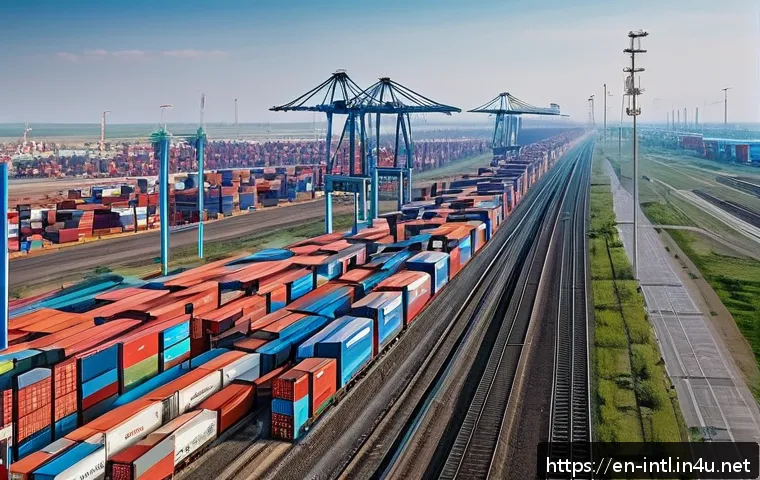
In today’s fast-paced world, digital transformation is no longer just a buzzword—it’s fundamentally reshaping how global economics and trade operate. From AI-driven supply chains to blockchain-powered transactions, technology is breaking down traditional barriers and creating new opportunities for businesses worldwide.
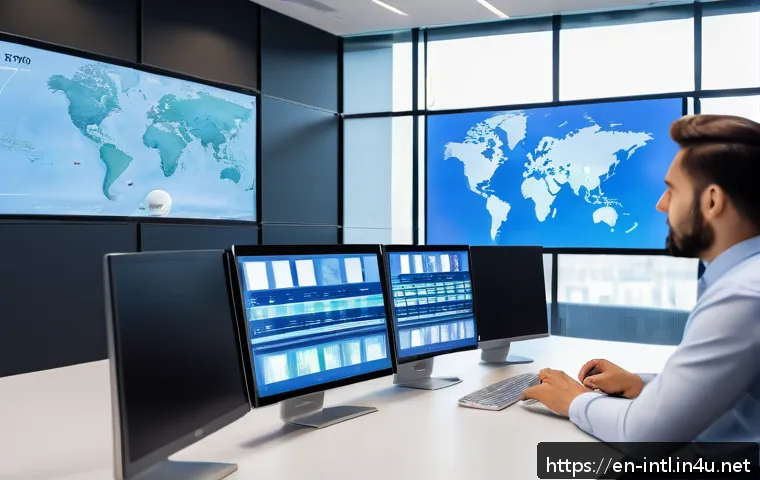
If you’ve noticed how quickly markets adapt to innovation, you’re witnessing the future unfolding in real time. In this post, we’ll dive into the key ways digital advancements are influencing economic trends and international trade dynamics, revealing insights that every forward-thinking professional should know.
Stick around to explore how embracing digital change today can unlock tomorrow’s global potential.
Revolutionizing Global Supply Chains through Digital Innovation
Smart Logistics and Real-Time Tracking
The integration of IoT devices and AI analytics has transformed supply chains into highly responsive networks. From my firsthand experience working with companies that adopted smart logistics solutions, the ability to track shipments in real time drastically reduces delays and improves inventory management.
It’s not just about knowing where goods are anymore; predictive algorithms can forecast disruptions caused by weather, political unrest, or port congestion, allowing firms to reroute shipments proactively.
This level of agility has become a game-changer, especially as global trade faces increasing uncertainty.
Automation and Robotics in Warehousing
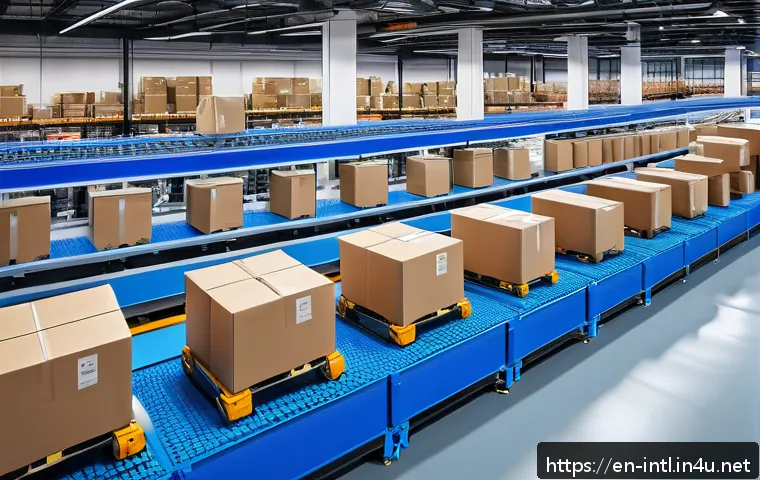
Automation isn’t a futuristic concept—it’s a present reality that’s reshaping warehouse operations worldwide. When I visited a fulfillment center that recently implemented robotic sorting and packing, the efficiency boost was palpable.
Tasks that once took hours are now completed in minutes, reducing labor costs and errors significantly. This shift not only speeds up order fulfillment but also enables companies to scale quickly during peak seasons without compromising quality.
For businesses eyeing international markets, automated warehouses mean faster delivery times and enhanced customer satisfaction.
Collaborative Digital Platforms for Trade Partners
Digital transformation is also fostering unprecedented collaboration among global trade partners. Cloud-based platforms allow manufacturers, suppliers, and distributors to share data seamlessly, enhancing transparency and trust.
I’ve seen how these platforms facilitate smoother customs clearance and compliance checks by centralizing documentation and automating approval workflows.
This interconnectedness reduces friction and accelerates the flow of goods across borders, which is essential in today’s fast-moving markets.
Unlocking New Economic Opportunities with AI and Big Data
Data-Driven Market Insights
Big data analytics have empowered businesses to understand consumer behavior and market trends like never before. From analyzing social media sentiment to monitoring online purchasing patterns, companies can tailor their strategies with pinpoint accuracy.
Personally, using AI-powered tools for market research has allowed me to anticipate shifts in demand ahead of competitors, making decision-making more proactive than reactive.
These insights are invaluable for entering emerging markets or optimizing product portfolios.
AI-Powered Financial Services
The financial sector is one of the most visible beneficiaries of AI and machine learning. Automated credit scoring, fraud detection, and algorithmic trading are reshaping how capital flows across borders.
In conversations with fintech entrepreneurs, the consensus is clear: AI accelerates transaction speeds and reduces risks, making cross-border investments more accessible.
For international trade, this means faster payments and more secure financial operations, which can be critical for small and medium enterprises aiming to expand globally.
Personalization in Global Marketing
Personalization powered by AI isn’t limited to domestic markets anymore. Companies can now customize marketing campaigns to diverse international audiences by leveraging data on cultural preferences and consumer habits.
I recall working on a campaign where AI-driven content adjustments led to a 30% increase in engagement in previously underperforming regions. This technology allows brands to resonate more deeply with local customers while maintaining a cohesive global identity.
Enhancing Security and Transparency with Blockchain
Immutable Transaction Records
Blockchain technology ensures that every transaction in a supply chain or trade agreement is recorded permanently and cannot be altered retroactively.
This feature has proven invaluable in reducing fraud and increasing accountability. From my experience collaborating with exporters, blockchain-based documentation has simplified audits and compliance reporting, which traditionally consumed significant time and resources.
The trust blockchain builds between parties can ultimately lower transaction costs and speed up negotiations.
Smart Contracts Streamlining Trade Agreements
Smart contracts automate the enforcement of contract terms, releasing payments or triggering actions only when predefined conditions are met. This has been particularly impactful in trade finance, where delays in payment often stall shipments.
I’ve observed companies using smart contracts to reduce the reliance on intermediaries, thereby cutting fees and minimizing disputes. This technology is revolutionizing how businesses manage risk and streamline cross-border deals.
Supply Chain Traceability for Ethical Sourcing
Consumers increasingly demand transparency about the origin and sustainability of products. Blockchain enables detailed traceability, ensuring every component’s journey is verifiable.
During a consultation with a retailer focusing on ethical sourcing, blockchain traceability helped build consumer trust and justified premium pricing.
This not only enhances brand reputation but also encourages responsible practices throughout the supply chain.
Digital Trade Policies and Regulatory Challenges
Adapting to Digital Customs Procedures
Many countries are digitizing customs processes to facilitate faster clearance and reduce paperwork. From my interactions with exporters, the transition to electronic customs declarations and automated risk assessments has cut border delays dramatically.
However, uneven adoption across regions means companies must stay vigilant about regulatory changes and invest in compliance technologies to avoid costly penalties.
Balancing Data Privacy and Cross-Border Flows
As data becomes a critical asset in international trade, regulations like GDPR in Europe create complexities for businesses handling personal information globally.
I’ve experienced firsthand the challenges of navigating these privacy frameworks while maintaining seamless data flows essential for AI and analytics.
Companies must develop robust data governance policies that respect local laws without stifling innovation or operational efficiency.
Harmonizing Standards for Digital Trade
The lack of standardized digital trade regulations can create barriers for businesses trying to scale internationally. During a global industry forum, it was clear that aligning standards around cybersecurity, digital signatures, and electronic invoicing is a priority for governments and corporations alike.
Achieving this harmonization will reduce friction, lower costs, and boost confidence in cross-border e-commerce.
Emerging Technologies Shaping Future Economic Landscapes
5G Networks and Enhanced Connectivity
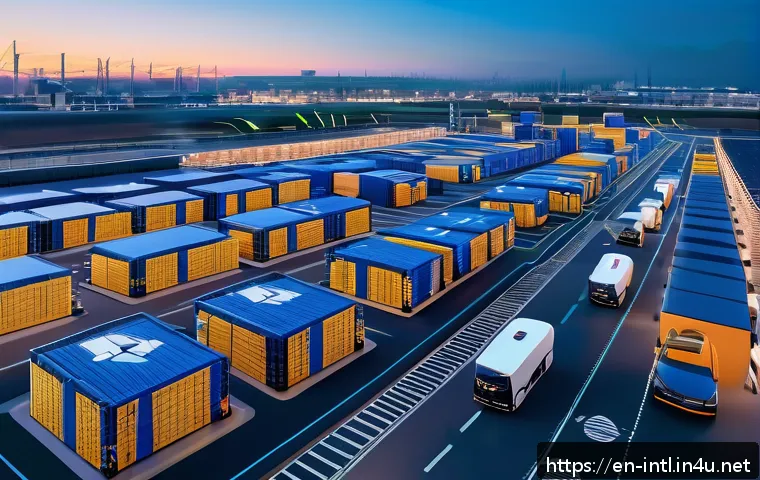
The rollout of 5G networks is unlocking new possibilities for real-time data exchange and automation in trade logistics. In regions with advanced 5G infrastructure, companies report significant improvements in communication between warehouses, transport fleets, and customers.
This ultra-fast connectivity supports innovations like autonomous vehicles and drones, which could further revolutionize last-mile delivery and reduce global shipping times.
Edge Computing for Faster Decision-Making
Edge computing processes data closer to its source, reducing latency and bandwidth use—an advantage for supply chains operating across diverse geographies.
I’ve observed businesses leveraging edge computing to enable instant analytics on production lines or shipment conditions, improving responsiveness to issues like equipment failures or temperature fluctuations in perishables.
This technology enhances operational resilience in complex global networks.
Quantum Computing Potential in Trade Optimization
Though still in early stages, quantum computing promises to solve highly complex optimization problems faster than classical computers. Experts I’ve spoken with anticipate breakthroughs in route planning, risk assessment, and financial modeling that could dramatically improve global trade efficiency.
While widespread adoption may be years away, staying informed about quantum advancements is crucial for future-proofing trade strategies.
Digital Skills and Workforce Transformation in Global Trade
Upskilling for the Digital Economy
The rapid pace of digital transformation demands a workforce fluent in new technologies. Companies investing in digital skills training report better adoption of AI, blockchain, and automation tools.
In my experience, empowering employees with continuous learning opportunities not only boosts productivity but also enhances job satisfaction and retention, which are critical in competitive international markets.
Remote Collaboration and Virtual Trade Networks
Digital tools have expanded the possibilities for remote work and virtual partnerships across borders. I’ve participated in virtual trade fairs and negotiations that would have been impossible or prohibitively expensive pre-pandemic.
These technologies enable businesses to connect, share knowledge, and close deals without the constraints of physical travel, democratizing access to global markets.
Human-AI Collaboration in Decision-Making
Rather than replacing human expertise, AI is increasingly viewed as a collaborator in decision-making processes. Through interactive dashboards and predictive models, professionals can leverage AI insights while applying their judgment and contextual understanding.
This synergy enhances strategic planning in trade, allowing for nuanced responses to complex, rapidly evolving economic conditions.
| Technology | Impact on Global Trade | Example Use Case | Benefit |
|---|---|---|---|
| AI & Big Data | Market forecasting, personalized marketing, financial automation | AI-driven demand prediction for inventory management | Improved accuracy, cost reduction, competitive advantage |
| Blockchain | Secure transactions, smart contracts, supply chain transparency | Immutable shipment records and automated payment release | Enhanced trust, reduced fraud, faster settlements |
| IoT & Automation | Real-time tracking, warehouse robotics, predictive maintenance | Automated sorting and packing in fulfillment centers | Increased efficiency, reduced labor costs, faster delivery |
| 5G & Edge Computing | Low-latency communication, instant analytics, autonomous logistics | 5G-enabled fleet management and edge analytics for cold chain | Faster decision-making, improved operational resilience |
| Quantum Computing | Complex optimization, risk assessment, financial modeling | Quantum algorithms for global route optimization | Potential for breakthrough efficiency and cost savings |
In Conclusion
Digital innovation is fundamentally reshaping global supply chains, unlocking efficiency, transparency, and new economic opportunities. From smart logistics to AI-driven insights, these technologies empower businesses to navigate complexity with agility and confidence. Embracing these advancements is no longer optional but essential for staying competitive in today’s interconnected markets. The future of global trade will be defined by those who adapt and innovate swiftly.
Useful Information to Keep in Mind
1. Real-time tracking and predictive analytics greatly reduce delays and improve supply chain responsiveness.
2. Automation and robotics significantly increase warehouse efficiency while cutting labor costs and errors.
3. Blockchain enhances trust and transparency by providing immutable records and enabling smart contracts.
4. Digital trade policies are evolving rapidly, requiring businesses to stay updated on compliance and privacy regulations.
5. Emerging technologies like 5G, edge computing, and quantum computing promise to further transform trade logistics and decision-making.
Key Takeaways
Understanding and integrating digital tools such as AI, IoT, and blockchain is critical for optimizing global supply chains and financial processes. Companies must invest in workforce upskilling and adapt to changing regulatory landscapes to fully leverage these innovations. Collaborative digital platforms improve transparency and efficiency across trade partners, while emerging connectivity and computing advancements pave the way for faster, smarter operations. Staying proactive in adopting these technologies will secure a competitive edge in the dynamic world of international trade.
Frequently Asked Questions (FAQ) 📖
Q: How is digital transformation impacting global supply chains?
A: Digital transformation is revolutionizing global supply chains by introducing AI-driven analytics and real-time tracking. This means companies can predict demand more accurately, optimize inventory, and respond swiftly to disruptions.
From my experience, businesses leveraging these technologies have significantly reduced delays and costs, making supply chains more resilient and efficient than ever before.
Q: What role does blockchain play in international trade?
A: Blockchain enhances transparency and security in international trade by creating immutable records of transactions. This technology reduces fraud, speeds up customs clearance, and ensures trust among trading partners.
I’ve seen firsthand how companies using blockchain platforms experience smoother cross-border payments and fewer disputes, which ultimately accelerates trade and builds stronger global partnerships.
Q: Why should professionals embrace digital change in economics and trade now?
A: Embracing digital change is essential because markets evolve rapidly, and those who adapt early gain a competitive edge. Digital tools unlock new business models, improve decision-making with data insights, and open access to global customers.
Based on what I’ve observed, professionals who invest in digital skills and technologies today are better positioned to navigate future economic shifts and seize emerging opportunities worldwide.