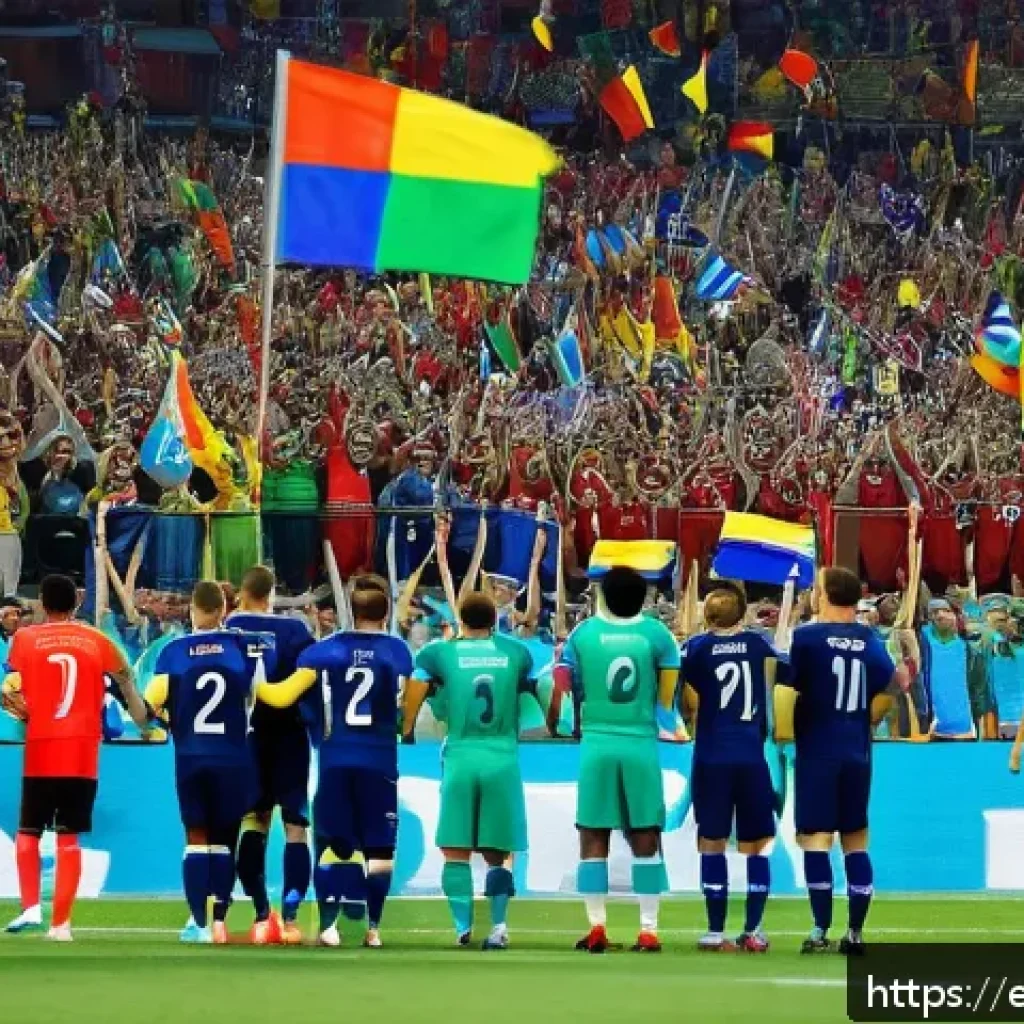
As the world eagerly gathers every four years to witness the FIFA World Cup, the tournament becomes more than just a sporting event—it turns into a powerful stage where national identities are celebrated and redefined.
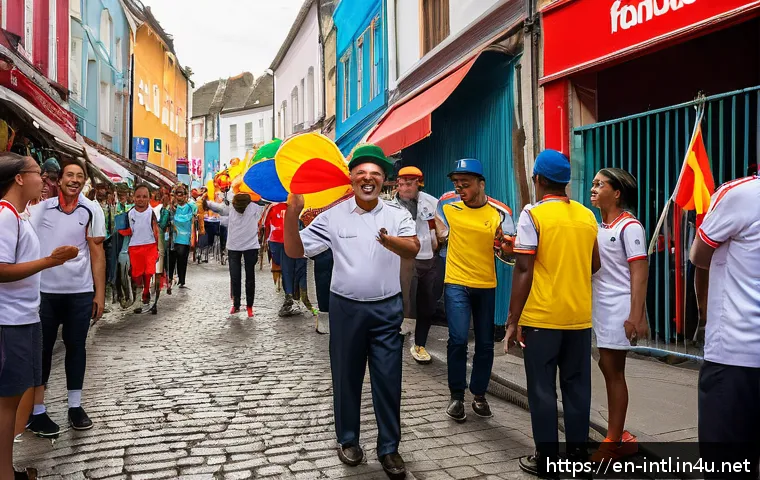
With recent global conversations about cultural pride and unity, the World Cup shines a spotlight on how countries project their values and histories to millions worldwide.
From underdog stories to iconic victories, each match weaves into the broader narrative of what it means to belong to a nation. Join me as we explore how this global spectacle shapes and transforms national identity in ways that resonate far beyond the pitch.
The Power of Collective Spirit on the Global Stage
Uniting Diverse Communities Through Shared Passion
Watching the World Cup unfold, it’s impossible not to notice how people from all walks of life come together, transcending daily differences and disputes.
The tournament acts like a magnet, pulling in communities that might otherwise never interact, all bound by the simple love of the game. From bustling city streets to quiet rural towns, the World Cup ignites a collective spirit that fosters a sense of belonging.
What’s fascinating is how this unity isn’t just fleeting—it often sparks long-lasting pride and solidarity within nations, reminding everyone that they’re part of something bigger than themselves.
Symbols and Rituals That Amplify Identity
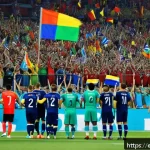
Fans donning national colors, singing anthems with fervor, and displaying flags all contribute to the rich tapestry of identity at the World Cup. These rituals go beyond mere tradition; they embody the soul of a nation’s culture and history.
For instance, the way a country’s supporters choreograph chants or create visual spectacles in stadiums can become iconic, reflecting unique cultural traits.
I’ve personally noticed how these expressions often bring out a raw emotional connection that’s hard to replicate elsewhere, making each match a celebration of heritage as much as sport.
Emotional Investment and National Pride
The intensity of emotions during matches often reveals how deeply the World Cup resonates with national pride. It’s not just about winning or losing; it’s about seeing one’s country represented on a global platform.
When an underdog team pulls off a stunning victory, the collective joy can feel like a national triumph, lifting spirits far beyond the pitch. Conversely, setbacks can trigger profound reflection or renewed determination, illustrating how intertwined the tournament is with a country’s self-image.
From my experience attending a live match, that emotional rollercoaster is both humbling and exhilarating, a reminder of sport’s unparalleled power to connect hearts.
Underdog Narratives and Their Lasting Impact
Stories That Inspire Beyond Borders
Few things capture the imagination quite like an unexpected team rising against all odds. These Cinderella stories often become part of a country’s folklore, inspiring generations long after the final whistle.
For many fans, seeing their underdog team challenge giants is a powerful metaphor for overcoming adversity in everyday life. I’ve seen how such moments galvanize communities, creating a shared memory that strengthens national pride and shapes how a country views itself on the world stage.
Changing Perceptions Through Performance
When a lesser-known nation performs exceptionally well, it can dramatically alter global perceptions. Suddenly, stereotypes or misconceptions give way to newfound respect and curiosity.
This shift can have tangible effects beyond sport, influencing tourism, foreign investment, and cultural exchange. From conversations I’ve had with travelers and locals alike, the World Cup often acts as a catalyst for reshaping a country’s image, helping it step out of the shadows and into the spotlight.
Legacy of Resilience and Ambition
Beyond the immediate excitement, underdog achievements leave a lasting legacy of resilience and ambition within the country’s football culture. They inspire young athletes to dream bigger and communities to invest more in sports infrastructure.
Over time, these ripple effects contribute to a nation’s broader development and international standing. Reflecting on past tournaments, it’s clear that these stories are more than just games—they’re milestones in a country’s ongoing journey of self-definition.
Sport as a Mirror of Social and Political Change
Reflecting National Challenges and Triumphs
The World Cup often mirrors the social and political climate within participating countries. Whether it’s a nation emerging from conflict, grappling with identity, or celebrating progress, football becomes a lens through which these dynamics play out.
For example, a team’s unity or struggles on the field can symbolize broader societal issues, making matches a form of storytelling that resonates deeply with citizens.
I’ve found that this connection adds layers of meaning to the tournament, turning it into a stage where more than just sport is at stake.
Bridging Divides and Fostering Dialogue
In some cases, the World Cup serves as a rare moment of cohesion in divided societies. Shared support for a national team can temporarily bridge ethnic, political, or cultural divides, fostering dialogue and mutual understanding.
I recall witnessing how fans from conflicting backgrounds stood side by side, united by a common cause. While this unity may be temporary, it offers a hopeful glimpse into the potential for sport to contribute to social healing and national reconciliation.
Highlighting Global Interconnectedness
The tournament’s global reach also underscores how nations are interconnected in today’s world. Players often come from diverse backgrounds, and fans from every continent engage passionately.
This intermingling highlights the complex identities many countries now hold, blending tradition with modernity and local with global influences. From my perspective, this aspect of the World Cup enriches the experience, reminding us that national identity is dynamic, constantly evolving through interaction with the wider world.
Visual Culture and National Storytelling
The Role of Uniforms and Emblems
Team kits are more than just sportswear—they’re powerful symbols packed with meaning. Colors, patterns, and emblems tell stories about a nation’s heritage, values, and aspirations.
For instance, incorporating traditional motifs or historical references into jerseys can evoke pride and continuity. I’ve noticed fans often treat these uniforms like talismans, wearing them not just for matches but as badges of identity in everyday life.
Choreographed Fan Displays
Massive choreographed displays in stadiums—whether card stunts, coordinated chants, or banners—transform matches into immersive cultural experiences. These spectacles are carefully planned expressions of national identity that create unforgettable atmospheres.
Experiencing one live, I was struck by how these moments transcend sport, becoming collective art forms that unite and energize entire communities.
Media Narratives and National Image
The way media covers the World Cup also shapes how nations perceive themselves and are perceived by others. Positive stories about a team’s journey can boost morale and pride, while critical coverage might spark debate and self-reflection.
I’ve followed various international broadcasts and noticed how narratives differ widely, reflecting each country’s unique relationship with football and identity.
This diversity of perspectives enriches the global conversation around the tournament.
Economic Influence on National Perception
Boosting Tourism and Investment
A strong World Cup performance can spark interest in a country as a travel destination or business partner. Tourists are drawn by the excitement and cultural exposure, while investors see potential in a nation with growing visibility.
From my own travels, I’ve observed how football success often coincides with surges in economic activity, highlighting the tournament’s power to influence more than just sports markets.
Merchandising and Brand Building
National teams become brands, and merchandise sales—from jerseys to memorabilia—generate significant revenue and promote national symbols worldwide. This commercial aspect helps countries project soft power, shaping perceptions through consumer culture.
I’ve personally bought souvenirs during World Cup seasons and noticed how these items serve as conversation starters, spreading awareness of a country’s identity far beyond its borders.
Long-Term Infrastructure Development
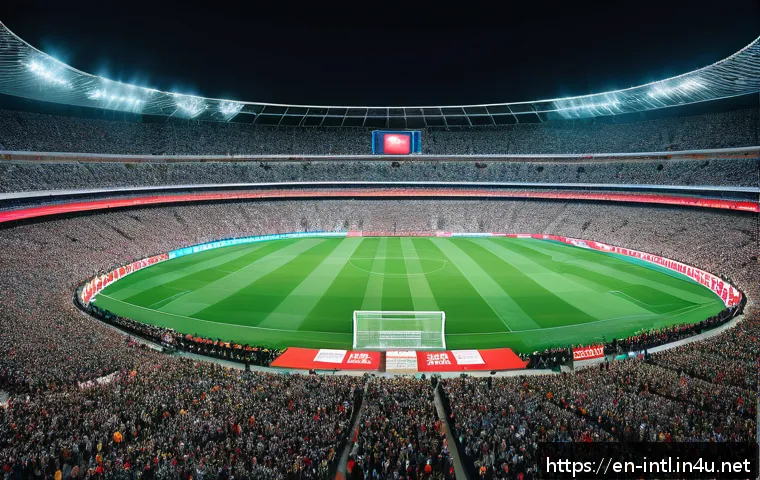
Hosting or performing well in the World Cup often leads to investments in stadiums, transportation, and public spaces. These improvements can enhance a country’s image by showcasing modernity and hospitality.
While such projects sometimes face criticism, their lasting impact on national pride and international reputation is undeniable. Reflecting on this, it’s clear that the economic ripple effects of the World Cup contribute significantly to how a nation is viewed globally.
Memorable Matches That Define National Narratives
Iconic Victories and Their Symbolism
Certain matches become etched in a nation’s collective memory, symbolizing moments of triumph that resonate far beyond sport. These games often mark turning points in a country’s history or identity, celebrated for years as sources of inspiration.
I recall how fans relive these moments with passion, telling stories that reinforce shared values and pride.
Heartbreaking Defeats and Resilience
Losses, especially unexpected ones, also shape national narratives by highlighting themes of resilience and hope. The way a team responds to defeat can inspire a nation to persevere and dream anew.
In conversations with fans, I’ve sensed how these experiences foster a deeper emotional connection, making the journey as meaningful as the outcome.
Rivalries That Fuel Identity
Intense rivalries between countries add layers of meaning to matches, often rooted in historical, cultural, or political contexts. These encounters stir passions and provoke reflection on national identity, sometimes sparking debates that extend beyond sport.
Experiencing such a rivalry firsthand, I witnessed how the atmosphere crackled with tension and pride, illustrating how football can be a microcosm of broader national dynamics.
| Aspect | Impact on National Identity | Examples |
|---|---|---|
| Collective Spirit | Fosters unity and belonging across diverse communities | Mass celebrations in Brazil and South Africa |
| Underdog Success | Inspires resilience and reshapes global perception | Croatia’s 2018 World Cup run |
| Social Reflection | Mirrors political and social realities, promotes dialogue | Germany’s reunification symbolism in 1990 |
| Visual Culture | Expresses heritage and national pride through symbols | England’s traditional white kit and emblem |
| Economic Influence | Boosts tourism, investment, and national branding | Russia 2018 infrastructure developments |
| Memorable Matches | Shapes national narratives of triumph and resilience | France’s 1998 victory and 2018 success |
Fan Culture as a Reflection of Identity
The Diversity of Supporter Traditions
Fan culture varies widely across nations, reflecting unique traditions, humor, and social norms. From the passionate singing of Irish fans to the elaborate costumes of Mexican supporters, these expressions reveal much about national character.
I’ve found that immersing myself in these fan cultures offers a window into how people see themselves and their place in the world.
Intergenerational Bonds Through Football
For many families, following the World Cup is a tradition passed down through generations, weaving football into the fabric of national identity. These shared experiences create lasting memories and reinforce cultural continuity.
Personally, I’ve enjoyed watching matches with friends and relatives, feeling how the game connects us across ages and backgrounds.
Global Diasporas and National Connection
Diaspora communities often rally passionately behind their home countries during the World Cup, reinforcing ties despite physical distance. This phenomenon strengthens national identity in a globalized world, showcasing how football bridges geography and culture.
Observing expatriate fan gatherings, I’ve seen how the tournament becomes a powerful focal point for expressing pride and belonging.
Conclusion
The World Cup is much more than a sporting event; it’s a powerful catalyst for unity, identity, and cultural expression worldwide. Through shared passion, memorable moments, and the stories of triumph and resilience, it connects people across borders and generations. Experiencing the tournament reveals how deeply intertwined football is with national pride and social dynamics, making it a unique global celebration that continues to inspire.
Helpful Information to Know
1. The World Cup serves as a unifying force, bringing together diverse communities through a shared love of football.
2. Underdog teams often become symbols of resilience, inspiring both national pride and international recognition.
3. Football reflects social and political changes, offering a platform for dialogue and national storytelling.
4. Visual elements like uniforms and fan displays express cultural heritage and strengthen identity.
5. The economic impact of the World Cup includes boosts to tourism, investment, and long-term infrastructure development.
Key Takeaways
Understanding the World Cup’s role extends beyond sport to include its influence on national identity, social cohesion, and economic growth. The event fosters a shared spirit that transcends differences, celebrates cultural uniqueness, and creates lasting memories. Recognizing these layers helps appreciate why the tournament holds such a special place in global culture and why it continues to captivate millions worldwide.
Frequently Asked Questions (FAQ) 📖
Q: How does the FIF
A: World Cup influence national identity beyond just sports? A1: The World Cup acts as a global stage where countries showcase their culture, history, and values.
It’s not just about winning matches; it’s about telling a story of resilience, pride, and unity. When a nation’s team succeeds or even just competes passionately, it strengthens citizens’ sense of belonging and pride in their heritage.
The shared experience of cheering for the same team can bridge social divides and create a collective identity that lasts well beyond the tournament.
Q: Why do underdog stories in the World Cup resonate so strongly with national identity?
A: Underdog stories tap into deep emotions related to hope and perseverance. When a lesser-known or smaller nation challenges giants on the world stage, it symbolizes the fight against adversity, which many people relate to in their own lives.
These narratives fuel national pride because they represent more than sports—they embody the spirit of overcoming obstacles and redefining what the nation is capable of, often sparking a renewed sense of unity and optimism.
Q: Can the World Cup impact how a country is perceived internationally?
A: Absolutely. The World Cup offers countries a unique opportunity to shape their global image. Successful teams or memorable moments can boost a nation’s reputation, highlighting qualities like teamwork, passion, and resilience.
Beyond the pitch, how fans behave, the cultural expressions shown during matches, and media coverage all contribute to international perceptions. This can open doors for tourism, diplomacy, and cultural exchange, reinforcing the country’s identity on a global scale.