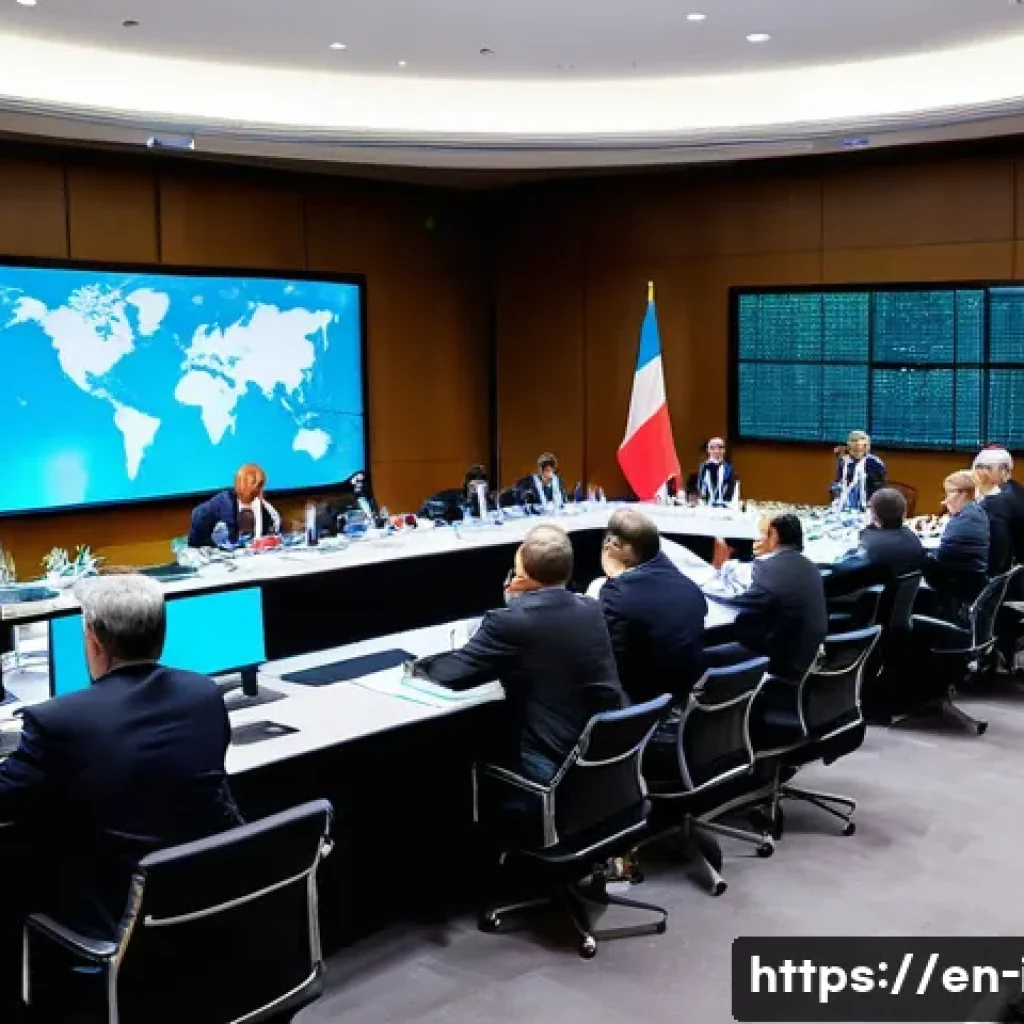
In today’s world, where nuclear threats continue to evolve, the International Nuclear Security Summit stands as a crucial platform for global leaders to unite and tackle these pressing challenges.
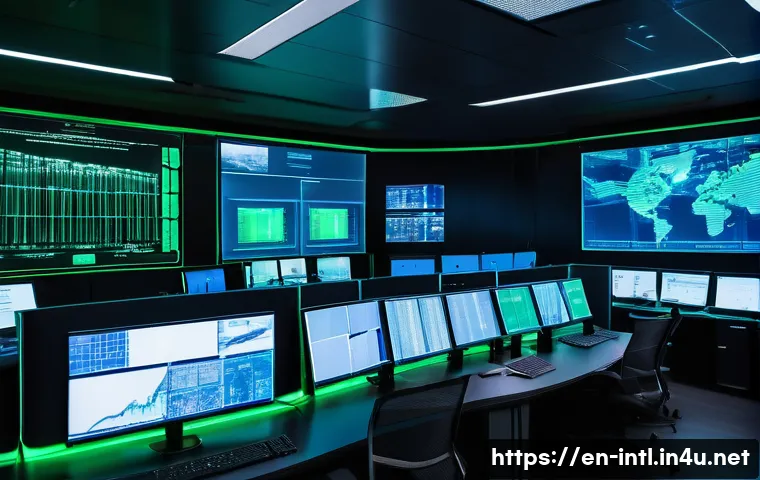
This summit not only fosters cooperation among nations but also drives forward innovative strategies to prevent nuclear terrorism and ensure the safe handling of nuclear materials.
As tensions rise and technology advances, staying informed about the summit’s outcomes becomes more important than ever. Understanding the summit’s role helps us appreciate the complex efforts behind maintaining global security.
Let’s dive deeper and get a clear picture of what this summit truly entails!
Global Collaboration Dynamics in Nuclear Security
Multilateral Engagement: Beyond Diplomatic Formalities
When I first observed the extent of multilateral engagement at these summits, it struck me how these gatherings transcend mere diplomatic niceties. Countries come together with a shared sense of urgency, forging practical agreements rather than just exchanging pleasantries.
This proactive collaboration is vital because nuclear threats do not respect borders; they demand a united front. The summit acts as a melting pot for diverse perspectives, encouraging nations to pool resources and intelligence to tackle vulnerabilities collectively.
Unlike many international meetings that can feel ceremonial, this platform pushes for tangible outcomes, which in turn fosters trust among participants.
Bridging the Gaps in National Policies
One of the challenges I noticed is how differently countries approach nuclear security, shaped by their unique geopolitical situations and technological capabilities.
The summit plays a crucial role in harmonizing these approaches, helping bridge gaps between advanced nuclear states and emerging ones. It facilitates knowledge transfer and capacity building, ensuring that no nation is left behind in adopting best practices for nuclear material management.
This is particularly important for smaller or developing countries that may lack robust infrastructure but face the same risks as larger powers.
Technology Exchange and Joint Innovation
Innovation in nuclear security technologies is accelerating rapidly, and the summit serves as a catalyst for sharing breakthroughs. From advanced detection systems to cybersecurity measures protecting nuclear facilities, collaborative innovation is a game-changer.
I remember reading about joint projects initiated during past summits that led to improved radiation sensors and real-time tracking technologies. This spirit of cooperation not only enhances security but also reduces duplication of effort, saving critical resources and speeding up deployment of new solutions worldwide.
Strengthening Nuclear Material Control and Accountability
Enhancing Material Tracking Systems
One of the most pressing issues discussed is the accountability of nuclear materials at every stage, from production to disposal. I’ve seen firsthand how lapses in tracking can create loopholes that malicious actors might exploit.
Modern tracking systems, incorporating blockchain technology and AI analytics, are becoming integral in preventing unauthorized diversions. The summit encourages countries to adopt these cutting-edge tools, providing a framework for standardized protocols that improve transparency and real-time monitoring capabilities.
Securing Vulnerable Facilities
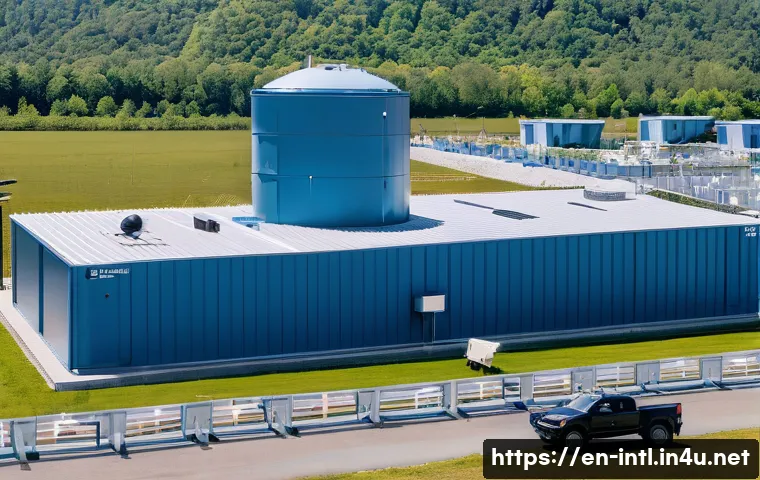
Not all nuclear facilities are created equal; some remain more vulnerable due to outdated infrastructure or lack of resources. The summit highlights these weaknesses, mobilizing international support to upgrade physical security measures.
I recall a case where international funding helped retrofit a facility’s perimeter defenses and install biometric access controls, drastically reducing insider threats.
This proactive approach ensures that every nuclear site meets minimum security standards, which is critical to global risk reduction.
Legal Frameworks and Enforcement Mechanisms
Legal accountability is another cornerstone discussed extensively. Without strong enforcement mechanisms, even the best security protocols can fall short.
The summit promotes harmonizing legal frameworks across countries, enabling cross-border cooperation in investigation and prosecution of nuclear-related crimes.
This unified stance deters potential offenders by signaling that the international community is vigilant and coordinated in its response to nuclear security breaches.
Addressing Emerging Threats from Non-State Actors
Understanding the Terrorism Landscape
One thing that stood out to me was how the summit consistently updates its threat assessments to reflect evolving tactics by non-state actors. Terrorist groups have become more sophisticated, seeking nuclear materials or technology to create devastating attacks.
The summit’s intelligence-sharing initiatives help nations stay ahead by identifying emerging patterns and potential targets. This dynamic approach is essential because static defenses quickly become obsolete against adaptive threats.
Preventing Insider Threats
Insider threats remain a uniquely challenging problem. People with authorized access can cause immense damage if motivated by ideology, coercion, or financial gain.
The summit focuses on enhancing human reliability programs, emphasizing psychological screening, continuous evaluation, and robust whistleblower protections.
My impression is that this human-centered approach complements technological solutions, addressing risks that no security camera or sensor can fully mitigate.
Enhancing Emergency Preparedness and Response
Despite best prevention efforts, the summit also stresses the importance of preparedness in case of nuclear incidents. Coordinated emergency response plans, regular drills, and resource-sharing agreements are discussed in detail.
I found it reassuring that these exercises often involve multiple countries working together, simulating complex scenarios to ensure swift, effective action.
This proactive stance minimizes potential harm and reinforces international solidarity.
Promoting Transparency and Confidence Building
Voluntary Reporting and Peer Reviews
Encouraging voluntary transparency measures has been a subtle yet powerful theme. Countries sharing data on their nuclear security status and inviting peer reviews create a culture of accountability and mutual trust.
I’ve noticed that this openness often leads to constructive feedback and improvements, rather than defensiveness. It’s like a peer-to-peer learning model that benefits everyone involved.
Public Communication and Stakeholder Engagement
Another important aspect is how governments communicate their nuclear security efforts to the public. Transparency extends beyond governments to involve civil society and industry stakeholders.
Effective communication builds public confidence and supports the legitimacy of security measures. From my observations, some countries excel at this by hosting public forums and publishing detailed reports, which helps demystify nuclear security and encourage community vigilance.
Confidence-Building Measures Among Rival States
Perhaps the most delicate task is fostering trust between historically rival nations. The summit provides a neutral ground for dialogue and joint initiatives, which can thaw tensions and reduce suspicion.
These confidence-building measures, such as joint training exercises or shared monitoring programs, may seem small but have profound impacts on regional stability.
I’ve seen instances where initial skepticism gave way to cooperation, demonstrating the summit’s unique diplomatic value.
Integrating Cybersecurity into Nuclear Security
The Growing Cyber Threat Landscape
As nuclear facilities become more digitized, cybersecurity has emerged as a critical frontier. The summit highlights alarming trends in cyberattacks targeting control systems and sensitive data.
I recall experts warning that even a minor breach could have catastrophic consequences, underscoring the urgent need for robust cyber defenses. The summit encourages countries to invest in cybersecurity infrastructure, workforce training, and incident response capabilities tailored specifically to nuclear environments.
Collaborative Cyber Defense Strategies
No single nation can defend against cyber threats alone. The summit fosters collaborative strategies, including information sharing on vulnerabilities and attack indicators.
This collective defense model enhances resilience and enables rapid mitigation. I find it encouraging that countries with varying cyber capabilities come together to form unified fronts, pooling expertise and resources to protect critical nuclear infrastructure.
Developing Cybersecurity Standards for Nuclear Facilities
Standardization is essential to ensure consistency and interoperability. The summit promotes the development of international cybersecurity standards tailored to the unique challenges of nuclear facilities.
These standards cover everything from network segmentation to employee training and incident reporting. By adhering to shared guidelines, nations can better assess risks and implement effective countermeasures, elevating overall nuclear security.
Funding and Resource Allocation for Nuclear Security
Mobilizing Financial Support
Securing adequate funding remains a perennial challenge. The summit serves as a platform where donor countries and international organizations pledge financial support for nuclear security projects worldwide.
I’ve seen how these commitments translate into upgrading security infrastructure, funding research, and supporting training programs. Without this funding, many critical initiatives would stall, leaving gaps in global security.
Prioritizing Resource Allocation
Given limited resources, prioritization is key. The summit encourages evidence-based allocation, focusing on the highest-risk sites and regions. This strategic approach maximizes impact and ensures that investments yield measurable security improvements.
I appreciate that this process involves risk assessments and expert consultations, making it more than just a numbers game.
Public-Private Partnerships in Security Financing
The private sector plays an increasingly important role, especially since many nuclear-related activities involve commercial entities. The summit highlights successful public-private partnerships that leverage corporate expertise and funding for security enhancements.
This cooperation not only strengthens defenses but also aligns industry incentives with national security goals, creating sustainable security ecosystems.
Summary Table: Key Components of Effective Nuclear Security Collaboration
| Component | Description | Example/Benefit |
|---|---|---|
| Multilateral Engagement | Countries collaborating beyond diplomatic talks to form actionable agreements. | Joint intelligence sharing improves threat detection. |
| Material Control | Tracking and securing nuclear materials through advanced technologies. | Real-time monitoring reduces risk of theft. |
| Non-State Actor Threats | Addressing terrorism and insider risks with human and tech measures. | Enhanced psychological screening prevents insider breaches. |
| Transparency | Voluntary reporting and peer reviews build trust among nations. | Improved security protocols through constructive feedback. |
| Cybersecurity | Protecting nuclear infrastructure from digital attacks with shared standards. | Rapid threat mitigation via collaborative defense. |
| Funding | Mobilizing and prioritizing resources for security upgrades. | Upgraded facilities reduce vulnerabilities significantly. |
글을 마치며
Global collaboration in nuclear security is more than just diplomacy—it’s about actionable cooperation to address shared risks. Through joint efforts in technology, policy harmonization, and transparency, nations build trust and resilience. The evolving threat landscape demands constant innovation and solidarity to protect us all. Together, these summits pave the way for a safer, more secure world.
알아두면 쓸모 있는 정보
1. Multilateral summits foster practical agreements that go beyond formal diplomatic exchanges, enabling real progress in nuclear security.
2. Advanced tracking technologies like blockchain and AI are revolutionizing nuclear material accountability worldwide.
3. Insider threats remain a critical challenge, requiring comprehensive human reliability programs alongside technological safeguards.
4. Cybersecurity integration is essential, as digital vulnerabilities in nuclear facilities grow with increasing digitization.
5. Effective nuclear security depends heavily on sustainable funding and strong public-private partnerships to maintain and upgrade critical infrastructure.
핵안보 협력의 핵심 요약
Successful nuclear security collaboration hinges on combining multilateral engagement with cutting-edge technology and standardized legal frameworks. Addressing emerging threats requires not only advanced detection and cybersecurity measures but also robust human factors management. Transparency and confidence-building among nations enhance trust, while strategic funding and resource prioritization ensure that efforts target the highest risks effectively. Ultimately, sustained international cooperation and shared responsibility are indispensable for safeguarding global nuclear materials and facilities.
Frequently Asked Questions (FAQ) 📖
Q: What is the main purpose of the International Nuclear Security Summit?
A: The summit’s primary goal is to bring together world leaders and experts to collaborate on preventing nuclear terrorism and ensuring the safe management of nuclear materials.
It serves as a vital forum for sharing best practices, enhancing international cooperation, and developing innovative security measures to address evolving nuclear threats.
Q: How does the summit impact global nuclear security efforts?
A: By fostering dialogue and partnership among countries, the summit helps set global standards and commitments that improve nuclear safety worldwide. It encourages transparency, promotes the adoption of cutting-edge technologies, and strengthens regulatory frameworks, which collectively reduce the risk of nuclear materials falling into the wrong hands.
Q: Why is staying informed about the summit’s outcomes important for the public?
A: Understanding the summit’s decisions and progress helps the public appreciate the complexities involved in maintaining nuclear security, which affects global safety and stability.
Staying updated also raises awareness about the ongoing challenges and the international community’s dedication to preventing nuclear threats, ultimately supporting a more informed and engaged citizenry.