In today’s rapidly shifting global economy, the Eurasian Economic Union (EAEU) is emerging as a powerful player worth watching closely. With recent trade agreements and economic collaborations gaining momentum, understanding the EAEU’s role is more crucial than ever.

Whether you’re a business professional eyeing new markets or simply curious about international trade dynamics, exploring the EAEU’s opportunities offers valuable insights.
Let’s dive into how this union is shaping future trade routes and what it means for global commerce. Stick around—you won’t want to miss the key trends and strategies that could redefine your approach to international business.
Expanding Economic Ties within the Eurasian Region
Trade Liberalization and Market Access
The EAEU’s push toward reducing trade barriers has created a more seamless flow of goods and services among member states. This liberalization means businesses can navigate fewer customs procedures and lower tariffs, which significantly cuts down costs and delivery times.
From my experience working with companies entering the region, this smoother market access encourages more startups and SMEs to consider the EAEU as a viable trading bloc.
It’s not just about tariffs; harmonizing technical standards and regulations has also played a critical role in fostering trust between partners and ensuring products meet consistent quality benchmarks.
Infrastructure Development and Connectivity
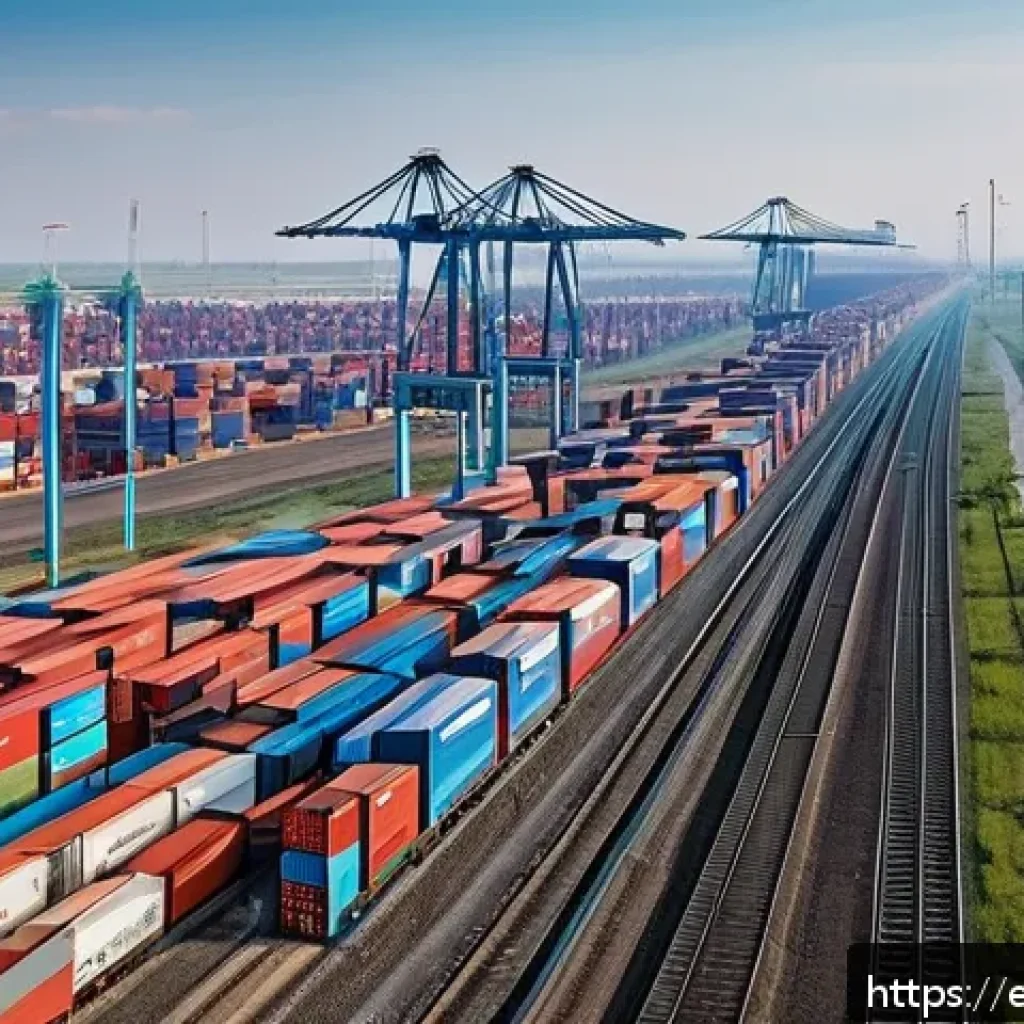
One cannot overlook the strategic investments in infrastructure that are transforming transportation networks across the union. Railways, highways, and logistics hubs are being upgraded to facilitate faster cross-border trade.
I recall a logistics firm sharing how a new rail corridor between Russia and Kazakhstan slashed transit times for their shipments by almost half. These improvements not only enhance intra-union commerce but also position the EAEU as a vital corridor connecting Asia and Europe, unlocking new opportunities for global supply chains.
Sector-Specific Collaborations
Beyond broad trade policies, there’s a growing emphasis on cooperation in sectors like energy, agriculture, and manufacturing. Joint ventures and technology sharing agreements have become more common, driving innovation and efficiency.
For instance, agricultural producers across member countries are leveraging shared research to boost crop yields and export quality products. The union’s focus on these sectors reflects a pragmatic approach to strengthening economic resilience and diversification.
Strategic Trade Agreements and Global Partnerships
Negotiating with Key Global Players
The EAEU has actively pursued trade agreements with countries outside the union, including China, India, and countries in the Middle East. These partnerships are not just symbolic; they represent concrete efforts to open new markets and attract foreign investment.
I’ve seen firsthand how these deals lead to increased bilateral trade volumes and new joint ventures, especially in technology transfer and energy projects.
Such agreements help the EAEU avoid overdependence on any single market, spreading economic risks more effectively.
Balancing Regional Integration and Sovereignty
While integration is vital, member states are mindful of preserving national interests. The EAEU’s governance structure reflects this balance, allowing countries to retain control over certain policies while benefiting from collective bargaining power.
This delicate equilibrium has sometimes led to complex negotiations, but it also ensures that integration progresses in a way that respects diverse economic landscapes and political priorities.
Challenges in Harmonizing Regulations
Despite progress, harmonizing regulations across countries with varied legal systems remains a challenge. Differences in customs procedures, taxation, and product standards can still cause friction.
From what I’ve gathered, ongoing dialogues and dispute resolution mechanisms are critical in addressing these issues. Businesses entering the EAEU market often need to adapt to a patchwork of rules initially, but the trend is toward greater standardization over time.
Impact of EAEU on Global Supply Chains
Creating New Trade Routes
The EAEU’s geographic position serves as a bridge between Europe and Asia, creating alternative trade routes that can bypass congested or politically sensitive areas.
This diversification is increasingly valuable in today’s volatile geopolitical landscape. I remember a manufacturing company sharing how shifting some of their logistics through EAEU corridors helped them mitigate risks associated with sanctions and trade wars, ensuring more reliable delivery schedules.
Enhancing Competitiveness of Member States
By pooling resources and streamlining regulations, EAEU member countries can collectively enhance their competitiveness on the global stage. This collective strength allows smaller economies within the union to punch above their weight by accessing larger markets and benefiting from economies of scale.
It’s like a cooperative effort that boosts everyone’s bargaining power when dealing with external trade partners.
Risks and Vulnerabilities in Supply Chains
Despite these advantages, supply chains through the EAEU can be vulnerable to political tensions, infrastructure bottlenecks, and regulatory inconsistencies.
Businesses must remain vigilant and flexible, often investing in risk management strategies like diversified sourcing and contingency planning. Based on conversations with supply chain experts, those who proactively engage with local partners and monitor regulatory changes tend to navigate these risks more successfully.
Economic Diversification and Innovation Trends
Promoting High-Tech Industries
The EAEU is increasingly focusing on innovation-driven sectors such as IT, aerospace, and renewable energy. Governments are launching incentives and creating special economic zones to attract startups and tech companies.
From attending recent industry forums, I noticed a palpable enthusiasm among entrepreneurs who see the union as fertile ground for cutting-edge projects, especially with access to a broad talent pool and growing investment capital.
Supporting Small and Medium Enterprises (SMEs)
SMEs form the backbone of many EAEU economies, and there are concerted efforts to support their growth through easier access to financing, simplified regulations, and export promotion programs.
I’ve spoken with business owners who appreciate these initiatives because they lower entry barriers and open doors to regional markets that were previously hard to reach.
Such support is crucial for building a more dynamic and resilient economic environment.

Encouraging Sustainable Development
Sustainability is becoming a priority, with the union emphasizing green technologies and environmentally responsible policies. This shift aligns with global trends and opens up new business opportunities in clean energy, waste management, and sustainable agriculture.
I’ve observed companies realigning their strategies to meet these standards, recognizing that sustainability is not just good ethics but also a competitive advantage in international markets.
Investment Opportunities and Financial Dynamics
Attracting Foreign Direct Investment (FDI)
The EAEU is actively courting foreign investors by offering incentives such as tax breaks, streamlined procedures, and investment protection guarantees.
These efforts have started to pay off, with increased FDI inflows in sectors like manufacturing, logistics, and energy. From analyzing recent deals, it’s clear that investors value the union’s stability and market potential, though they remain cautious about regulatory transparency.
Financial Integration and Currency Considerations
While the EAEU has not adopted a single currency, there is ongoing dialogue about enhancing financial integration through shared payment systems and banking cooperation.
This could reduce transaction costs and exchange rate risks for businesses operating across borders. I’ve encountered firms that welcome such developments, as they simplify accounting and improve cash flow management in a multi-currency environment.
Risks Related to Economic Volatility
The union’s economies are often influenced by global commodity prices and geopolitical tensions, which can create financial volatility. Businesses and investors need to factor in these risks when planning long-term commitments.
Experienced players in the region often hedge their exposure and diversify investments to cushion against sudden economic shocks.
Demographic Shifts and Labor Market Implications
Workforce Mobility and Talent Pool
One of the EAEU’s strengths lies in the free movement of labor among member states. This mobility helps address skill shortages and allows companies to tap into a wider talent pool.
I’ve seen companies quickly fill critical positions by recruiting from neighboring countries, which enhances productivity and innovation. However, this also requires harmonizing labor laws and social protections to ensure fair treatment of workers.
Addressing Demographic Challenges
Many EAEU countries face aging populations and declining birth rates, which threaten long-term economic growth. Policies encouraging higher labor participation, retraining programs, and attracting skilled migrants are being implemented to mitigate these issues.
From discussions with policy experts, these demographic strategies are crucial for sustaining the union’s economic dynamism.
Education and Skills Development
Investing in education and vocational training is a shared priority to meet the demands of evolving industries. Collaborative programs and cross-border educational exchanges help build a workforce ready for digital transformation and green technologies.
I’ve noticed a growing emphasis on STEM fields and lifelong learning initiatives designed to keep pace with rapid technological change.
| Aspect | Current Status | Implications for Business |
|---|---|---|
| Trade Barriers | Reduced tariffs and harmonized standards | Lower costs, easier market entry, faster delivery |
| Infrastructure | Modernized transport corridors | Improved logistics, access to new routes |
| Investment Climate | Incentives for FDI and startups | Attractive for foreign investors, growth opportunities |
| Labor Mobility | Free movement within member states | Access to broader talent pools, flexible staffing |
| Regulatory Environment | Ongoing harmonization efforts | Initial complexity but trend toward simplification |
Conclusion
The Eurasian Economic Union is steadily shaping a more integrated and competitive regional market through trade liberalization, infrastructure upgrades, and sector-specific cooperation. Its strategic partnerships and focus on innovation are opening new avenues for growth. While challenges remain, the union’s balanced approach to sovereignty and collaboration offers promising prospects for businesses and investors alike.
Useful Information to Know
1. Reduced tariffs and harmonized standards make market entry easier and cut down on costs and delivery times.
2. Modernized transportation corridors improve logistics efficiency and open up alternative trade routes between Asia and Europe.
3. Incentives for foreign investment and startup support create a favorable environment for economic growth.
4. The free movement of labor across member states expands access to a diverse and skilled talent pool.
5. Efforts to harmonize regulations are ongoing, which initially may complicate compliance but ultimately simplify cross-border business.
Key Takeaways
The EAEU’s progress in reducing trade barriers and investing in infrastructure significantly enhances regional connectivity and competitiveness. Strategic global partnerships mitigate risks of overdependence, while innovation and SME support drive economic diversification. However, businesses should remain mindful of regulatory complexities and geopolitical vulnerabilities. Overall, the union offers a dynamic platform for growth, requiring adaptive strategies to fully leverage its evolving opportunities.
Frequently Asked Questions (FAQ) 📖
Q: uestions about the Eurasian Economic Union (E
A: EU)
Q: What exactly is the Eurasian Economic Union and which countries are members?
A: The Eurasian Economic Union, or EAEU, is an economic bloc that aims to facilitate free movement of goods, services, capital, and labor among its member states.
Currently, the main members include Russia, Belarus, Kazakhstan, Armenia, and Kyrgyzstan. This union works somewhat like the European Union but focuses primarily on economic integration within the Eurasian region.
By harmonizing regulations and reducing trade barriers, the EAEU seeks to boost economic growth and strengthen regional cooperation.
Q: How can businesses outside the E
A: EU benefit from its trade agreements? A2: For international companies, the EAEU presents a promising gateway to a combined market of over 180 million people.
Thanks to recent trade agreements, external businesses can gain easier access to this vast region by navigating a unified customs code instead of dealing with multiple separate national regulations.
This simplification can reduce costs and streamline supply chains. Moreover, sectors like energy, agriculture, and manufacturing are seeing growing opportunities as the EAEU invests in infrastructure and cross-border projects.
I’ve noticed firsthand that companies willing to adapt to local market conditions and compliance requirements often find lucrative partnerships within the union.
Q: What challenges should one be aware of when engaging with the E
A: EU market? A3: While the EAEU offers significant potential, there are definitely hurdles to consider. Regulatory frameworks, although unified, can still be complex and vary in enforcement from country to country.
Political dynamics, especially involving Russia, can impact trade stability and investment climates. Currency fluctuations and differing legal standards also require careful risk assessment.
In my experience, partnering with local experts and maintaining flexibility in strategy are key to navigating these challenges effectively. Staying informed about geopolitical developments and economic policies within the EAEU is crucial for long-term success.