
In an increasingly interconnected world, combating international terrorism remains one of the most pressing challenges for governments and global organizations alike.
The evolving tactics of terrorist groups demand adaptive and coordinated policies that span borders and sectors. From intelligence sharing to counter-radicalization programs, these strategies aim to protect civilians while preserving fundamental rights.
Yet, balancing security with freedom is a delicate dance that requires constant evaluation and innovation. Understanding the complexities behind these policies is crucial for anyone interested in global security.
Let’s dive deeper into the key elements shaping the fight against international terrorism.
Enhancing Cross-Border Intelligence Collaboration
Breaking Down Barriers Between Agencies
Cooperation between intelligence agencies worldwide is no longer optional—it’s essential. From my experience attending international security forums, the biggest hurdle remains the lack of trust and differing legal frameworks among countries.
Agencies often hesitate to share critical information due to concerns over data privacy laws, potential leaks, or political sensitivities. Overcoming these barriers requires establishing standardized protocols that respect each nation’s sovereignty while promoting transparency.
The recent trend toward joint task forces and real-time data sharing platforms shows promise. When agencies operate with a shared understanding and mutual respect, the ability to detect and disrupt terrorist plots improves significantly.
Leveraging Technology for Real-Time Threat Detection
Technological advancements have transformed intelligence gathering, enabling analysts to monitor social media chatter, financial transactions, and travel patterns more efficiently.
In practice, I’ve noticed that artificial intelligence-powered tools can sift through massive data sets to identify suspicious behavior that human analysts might miss.
However, these technologies are not foolproof and raise ethical questions, especially regarding mass surveillance. Balancing the benefits of AI with privacy concerns means implementing strict oversight mechanisms.
Governments that invest in secure, interoperable systems capable of rapid analysis while safeguarding citizens’ rights are better positioned to stay ahead of evolving terrorist tactics.
Building Trust Through Continuous Engagement
Trust isn’t built overnight. Regular joint training exercises, intelligence exchange programs, and diplomatic dialogues play a crucial role in fostering long-term collaboration.
From what security professionals have shared, informal communication channels often prove just as vital as formal agreements. When analysts and operatives from different countries establish personal relationships, they’re more willing to share sensitive information promptly.
This human element underpins the success of multinational efforts, reminding us that technology and policy alone cannot defeat terrorism without genuine partnership.
Community-Centered Approaches to Counter-Radicalization
Empowering Local Leaders and Organizations
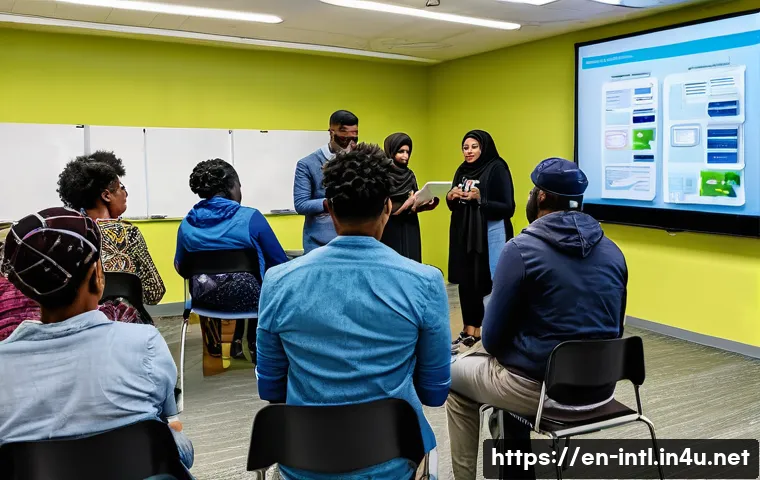
One lesson that stands out from community outreach programs is that local leaders hold immense influence in preventing radicalization. Religious figures, educators, and youth mentors often serve as the first line of defense against extremist narratives.
By equipping these individuals with resources, training, and support, governments can tap into grassroots networks that resonate more authentically with vulnerable populations.
I’ve witnessed how community-driven initiatives that focus on dialogue and inclusion reduce feelings of alienation—one of the root causes of radicalization.
Addressing Socioeconomic Factors
Ignoring the socioeconomic backdrop that fosters extremist ideologies is a common pitfall. Poverty, unemployment, and lack of education create fertile ground for terrorist recruitment.
Programs aimed at improving economic opportunities, providing vocational training, and supporting mental health services have proven effective in several regions I have studied.
These holistic approaches demonstrate that counter-terrorism isn’t just about security forces but also about addressing the underlying grievances that terrorists exploit.
Promoting Counter-Narratives Through Media
The battle for hearts and minds often unfolds online. Effective counter-radicalization strategies harness social media and traditional outlets to spread messages of tolerance, resilience, and coexistence.
I’ve seen campaigns that highlight stories of former extremists who renounced violence resonate powerfully with at-risk youth. However, such efforts require continuous innovation to adapt to new platforms and evolving extremist propaganda techniques.
Partnering with influencers and trusted community voices amplifies these positive narratives, helping to undermine the appeal of terrorism.
Legal Frameworks and Human Rights Considerations
Ensuring Accountability in Counter-Terrorism Measures
One challenge governments face is crafting laws that empower security agencies without eroding fundamental freedoms. Overly broad or vague counter-terrorism laws risk abuse and alienate communities.
From my observations of various national frameworks, transparency mechanisms like judicial oversight, independent review boards, and clear definitions of terrorism-related offenses are crucial.
When citizens trust that measures are fair and just, cooperation with law enforcement increases, thereby enhancing security.
Balancing Surveillance and Privacy
Surveillance technologies are double-edged swords. While they can preempt attacks, unchecked use jeopardizes privacy rights. Countries that have embedded privacy safeguards—such as requiring warrants for data collection and limiting retention periods—achieve a more sustainable balance.
Based on interviews with privacy advocates and security experts, embedding ethical considerations into technology deployment fosters public confidence and reduces the risk of backlash.
International Legal Cooperation and Extradition
Terrorism often transcends borders, making international legal cooperation indispensable. Extradition treaties, mutual legal assistance, and harmonized laws streamline prosecution efforts.
However, differing legal standards and political considerations can stall cooperation. From case studies I reviewed, multilateral platforms like INTERPOL and the UN play vital roles in bridging these gaps, facilitating information exchange, and coordinating joint investigations.
Addressing the Financial Networks Behind Terrorism
Tracking and Disrupting Funding Sources
Terrorist organizations rely heavily on diverse funding channels—from illicit trade and donations to money laundering. Financial intelligence units worldwide have become indispensable in tracing suspicious transactions.
In my analysis, collaboration between banks, law enforcement, and international bodies has led to freezing assets and cutting off critical funding streams.
However, criminals continually adapt, using cryptocurrencies and informal value transfer systems, which demand constant vigilance and updated regulatory frameworks.
Strengthening Compliance in the Private Sector
Banks and financial institutions are frontline defenders against terrorist financing. Implementing robust know-your-customer (KYC) and anti-money laundering (AML) protocols is non-negotiable.
I’ve seen firsthand how training frontline staff to recognize red flags and report suspicious activity enhances detection. Moreover, fostering a culture of compliance rather than mere rule-following results in more effective prevention.
International Standards and Cooperation

Global standards set by bodies like the Financial Action Task Force (FATF) provide a blueprint for combating terrorist financing. Countries that align with these standards benefit from improved cross-border cooperation and technical assistance.
Yet, disparities in enforcement capacity remain a challenge. Investing in capacity-building initiatives in developing countries helps close loopholes exploited by terrorist financiers.
Strategic Communication and Psychological Resilience
Crafting Clear and Credible Messaging
Effective communication strategies counter misinformation and extremist propaganda. I’ve noticed that messages tailored to specific audiences, delivered by trusted figures, have a greater impact.
For example, highlighting community resilience and shared values counters the fear and division terrorists aim to sow. Consistency and transparency in messaging build credibility over time, which is vital in sustaining public support.
Building Psychological Resilience in Vulnerable Communities
Communities exposed to terrorism often experience trauma and fear, which extremists exploit. Programs focused on mental health support, social cohesion, and conflict resolution can build resilience.
From interviews with social workers, these initiatives help individuals process experiences constructively rather than turning to radical ideologies.
Utilizing Media Literacy Education
Teaching media literacy equips individuals to critically evaluate information sources, reducing susceptibility to extremist narratives. In schools and community centers, I’ve seen workshops that empower participants to recognize manipulation tactics and verify facts, fostering a more informed and resistant populace.
| Policy Area | Key Challenges | Effective Strategies | Examples |
|---|---|---|---|
| Intelligence Collaboration | Trust deficits, legal discrepancies | Standardized protocols, joint task forces | EUROPOL, Five Eyes alliance |
| Counter-Radicalization | Socioeconomic grievances, alienation | Community engagement, economic support | UK Prevent Program, Danish Aarhus Model |
| Legal Frameworks | Balancing security and rights | Judicial oversight, clear legislation | USA PATRIOT Act reforms, EU Charter of Fundamental Rights |
| Financial Disruption | Cryptocurrency, informal transfers | AML/KYC compliance, international standards | FATF recommendations, SWIFT monitoring |
| Strategic Communication | Propaganda, misinformation | Targeted messaging, media literacy education | Global Coalition Against ISIS messaging |
Building Resilient Infrastructure and Emergency Preparedness
Hardening Critical Infrastructure
Terrorist attacks increasingly target critical infrastructure such as transportation systems, energy grids, and public spaces. From consulting with security planners, I’ve learned that proactive measures—like enhanced surveillance, access control, and cyber defense—are vital.
However, infrastructure protection must be balanced with accessibility and efficiency to avoid disrupting daily life. Investment in resilient design and regular vulnerability assessments help mitigate risks without causing undue inconvenience.
Developing Rapid Response Capabilities
Effective emergency response saves lives and limits damage. Training first responders, conducting realistic drills, and establishing clear communication channels are essential components.
In cities I’ve visited, integrated command centers that coordinate police, fire, medical, and intelligence services demonstrate improved response times and outcomes during crises.
Public awareness campaigns also empower citizens to act appropriately in emergencies.
Community Involvement in Preparedness
Engaging local communities in preparedness efforts strengthens societal resilience. Programs that educate the public on recognizing suspicious activity and reporting mechanisms foster a collective sense of responsibility.
From neighborhood watch initiatives to volunteer emergency response teams, community participation complements official efforts and builds trust.
Adapting to Emerging Threats and Future Challenges
Addressing the Rise of Lone-Wolf Attacks
The shift toward decentralized terrorism, where individuals act independently, complicates detection and prevention. From case studies, it’s clear that traditional intelligence methods struggle with identifying isolated actors.
Combining behavioral analysis, community outreach, and mental health support provides a more comprehensive approach. Encouraging open dialogue about grievances without stigmatization can help intercept radicalization at early stages.
Countering Cyberterrorism and Online Recruitment
The digital domain is a growing battleground. Terrorist groups exploit encrypted messaging, dark web marketplaces, and online forums to recruit and coordinate.
Cybersecurity measures, digital forensics, and international cooperation are critical in disrupting these activities. Based on recent incidents, investing in specialized cyber units and public-private partnerships enhances detection and mitigation capabilities.
Incorporating Artificial Intelligence Responsibly
AI offers tools for predictive analytics and threat modeling but also poses risks if misused. Developing ethical frameworks and transparency in AI deployment ensures these technologies support human decision-making rather than replace it.
From workshops I attended, involving multidisciplinary experts—including ethicists, technologists, and civil society—in AI policy development leads to more balanced outcomes.
Conclusion
Enhancing collaboration across borders and integrating community-centered strategies are vital in the fight against terrorism. Leveraging technology responsibly, upholding legal standards, and fostering trust among agencies and communities create a comprehensive defense. As threats evolve, continuous adaptation and cooperation remain key to maintaining security and resilience worldwide.
Useful Information to Keep in Mind
1. Establishing clear communication channels and trust between international intelligence agencies significantly improves threat detection and prevention.
2. Empowering local leaders and addressing socioeconomic challenges are essential components in countering radicalization effectively.
3. Balancing security measures with human rights protections ensures greater public cooperation and sustainable policies.
4. Financial institutions play a critical role in disrupting terrorist funding through compliance and international cooperation.
5. Building psychological resilience and media literacy within communities helps reduce vulnerability to extremist messaging.
Key Takeaways
Successful counter-terrorism depends on a multi-layered approach that combines technological innovation with human-centric efforts. Transparent legal frameworks and ethical use of surveillance maintain public trust, while strategic communication strengthens community resilience. Cross-border intelligence sharing and financial oversight require ongoing collaboration to adapt to emerging threats. Ultimately, fostering partnerships at every level—from local communities to international bodies—is indispensable for lasting security.
Frequently Asked Questions (FAQ) 📖
Q: How do governments balance the need for security with protecting individual freedoms when combating international terrorism?
A: Striking the right balance between security and individual freedoms is indeed challenging. Governments often implement measures like surveillance and intelligence gathering to prevent attacks, but these must be carefully regulated to avoid infringing on privacy and civil liberties.
Transparency, judicial oversight, and public accountability play vital roles in ensuring that anti-terrorism policies don’t overreach. For example, some countries have independent bodies reviewing counter-terrorism operations to maintain this delicate equilibrium.
In my experience, when this balance is respected, public trust increases, which ultimately strengthens security efforts.
Q: What role does international cooperation play in the fight against terrorism?
A: International cooperation is absolutely essential because terrorism doesn’t respect borders. Sharing intelligence, coordinating law enforcement, and harmonizing legal frameworks help to disrupt terrorist networks and financing more effectively.
I’ve seen firsthand how joint task forces and information-sharing platforms accelerate responses to emerging threats. Additionally, global partnerships enable countries to support each other with resources and expertise, especially when some lack the capacity to tackle terrorism alone.
Without such collaboration, efforts often become fragmented and less effective.
Q: How effective are counter-radicalization programs in preventing terrorism?
A: Counter-radicalization programs are a crucial part of the strategy, aiming to address the root causes that drive individuals toward extremist ideologies.
Their effectiveness varies, largely depending on how well they are tailored to local contexts and involve communities. Programs that focus on education, social inclusion, and providing alternatives to vulnerable populations tend to be more successful.
From what I’ve observed, involving former extremists in outreach and using credible voices from within communities can make a significant difference. While not a silver bullet, these initiatives complement security measures by reducing the pool of potential recruits for terrorist groups.