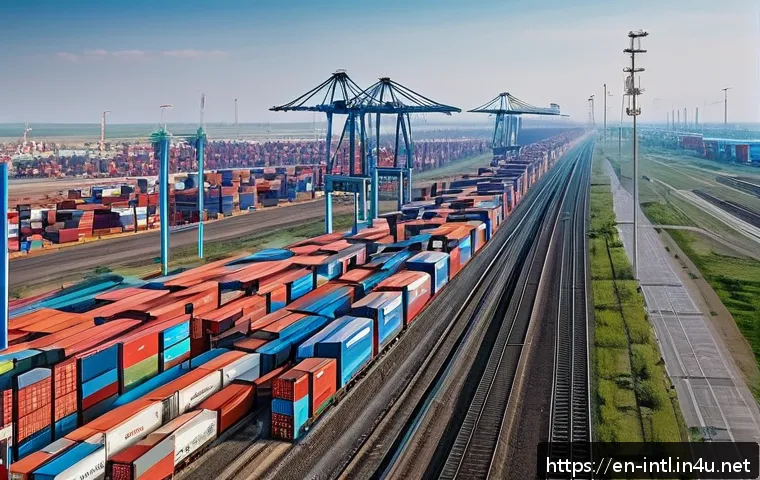
Financial crises have a way of shaking the global economy to its core, exposing vulnerabilities that often go unnoticed during times of growth. From sudden market crashes to widespread credit freezes, these events can trigger ripple effects that impact businesses, governments, and everyday people alike.
Understanding the causes and solutions behind these crises is crucial for building a more resilient financial system. Over the years, experts have developed various strategies to mitigate risks and restore stability when turmoil strikes.
Let’s dive deeper into how these challenges arise and what measures are most effective in responding to them. I’ll guide you through the details so you can grasp the full picture!
Roots of Financial Instability
Excessive Leverage and Risky Lending
When financial institutions borrow heavily to amplify returns, they expose themselves to heightened risk. This excessive leverage can turn a minor loss into a massive problem, as seen during past crises where banks extended credit without adequate safeguards.
I’ve noticed that when lenders chase short-term profits by relaxing standards, the quality of loans deteriorates, increasing the chances of defaults. This domino effect often begins quietly but escalates rapidly once confidence falters.
From my own observations, markets tend to overlook these risks during boom periods, making the eventual collapse all the more brutal.
Asset Bubbles and Market Overvaluation
Another key driver of financial upheaval is the formation of asset bubbles—when prices inflate beyond their intrinsic values due to speculative demand.
Real estate and stock markets have repeatedly shown this pattern. What struck me is how investor psychology feeds into these bubbles; greed and fear push prices up or down in waves.
When the bubble bursts, it wipes out wealth and shakes the entire financial system. The 2008 housing bubble is a classic example where over-optimism and lax regulation combined to create a perfect storm.
Global Interconnectedness and Contagion Effects
In today’s hyperconnected world, shocks in one country can ripple across continents in a flash. I’ve seen how a crisis originating in one market can freeze credit worldwide because banks and investors are linked through complex networks.
This contagion effect makes local problems global threats, complicating response efforts. For instance, during the Asian Financial Crisis, issues in a few countries quickly spread to others, demonstrating how fragile the global financial web can be under stress.
Early Warning Signals in Financial Markets
Volatility Spikes and Liquidity Droughts
One of the earliest signs that trouble is brewing is a sudden surge in market volatility paired with drying liquidity. From personal experience watching market swings, when investors rapidly pull back and trading volumes fall, it signals fear and uncertainty.
These conditions make it difficult for businesses to raise funds or refinance debt, setting the stage for more severe disruptions.
Credit Rating Downgrades and Rising Default Rates
Downgrades by credit rating agencies often precede broader market distress. I’ve tracked cases where multiple downgrades create a snowball effect, pushing borrowing costs higher for governments and corporations alike.
Simultaneously, rising defaults on loans or bonds indicate underlying financial stress that can quickly erode confidence in the system. These indicators together paint a bleak picture if not addressed promptly.
Shifts in Monetary Policy and Interest Rates
Central banks’ moves to tighten or loosen monetary policy can either prevent or trigger crises. I’ve observed that rapid hikes in interest rates can strain borrowers and reduce asset prices, while prolonged low rates might encourage reckless borrowing.
Understanding these shifts is crucial because they affect credit availability and investor sentiment, sometimes acting as catalysts for financial instability.
Strategies for Crisis Containment and Recovery
Central Bank Interventions and Liquidity Support
When markets seize up, central banks often step in to provide emergency liquidity, acting as lenders of last resort. From what I’ve seen firsthand during past downturns, these interventions can calm panic and restore trust temporarily.
Programs like quantitative easing or direct asset purchases help stabilize prices and encourage lending. However, timing and scale are critical—too little support can be ineffective, while too much risks long-term inflation.
Government Fiscal Measures and Stimulus Packages
Governments frequently deploy fiscal stimulus to boost demand and support struggling sectors during crises. I recall how targeted spending on infrastructure or direct payments to households helped cushion the blow during the 2008 crisis.
Such measures can spur economic activity and prevent deeper recessions, but they must be carefully designed to avoid ballooning debt without clear growth prospects.
Regulatory Reforms and Strengthening Oversight
Post-crisis periods often lead to tighter regulations aimed at preventing recurrence. Based on my research and experience, reforms focusing on capital adequacy, transparency, and risk management have proven effective.
For example, implementing stricter lending standards and stress tests forces institutions to build buffers. Yet, regulators face the challenge of balancing safety with innovation, ensuring rules don’t stifle healthy market functioning.
Role of International Cooperation
Coordinated Policy Responses
Financial crises rarely respect borders, so coordinated action among countries is vital. I’ve noticed how global forums like the G20 or IMF facilitate communication and joint measures to stabilize markets.
When nations align monetary and fiscal policies, it prevents competitive devaluations and restores investor confidence. Cooperation also helps manage cross-border capital flows and reduce systemic risk.
Support for Emerging Economies
Emerging markets often bear the brunt of global financial shocks due to less developed institutions. I’ve seen how international support—through emergency lending facilities or debt restructuring—can provide critical breathing room.
Without this aid, these economies risk severe recessions and social unrest, which can spill over into global markets.
Information Sharing and Transparency
Timely, accurate information exchange among regulators and market participants is a game-changer in crisis management. From my observation, lack of transparency fuels rumors and panic, exacerbating instability.
Establishing clear reporting standards and data sharing protocols helps detect vulnerabilities early and coordinate responses more effectively.
Lessons from Past Crises
Importance of Early Detection and Prevention
One thing I’ve learned is that waiting until a crisis fully unfolds makes mitigation far harder. Early warning systems and proactive policies can significantly reduce damage.
For instance, stress testing banks for various scenarios helps uncover hidden risks before they spiral out of control. Prevention is always better than cure in financial stability.
Need for Flexibility and Adaptation
No two crises are identical, so rigid playbooks rarely work. I’ve witnessed how adaptive approaches—tailored to the specific circumstances—yield better outcomes.
Policymakers must be willing to innovate and revise strategies as new information emerges, balancing short-term fixes with long-term resilience.
Building Trust and Confidence
Ultimately, restoring trust is the hardest but most essential task post-crisis. From my experience, transparent communication from authorities and credible commitments to reform help rebuild confidence among investors and the public.
Without trust, markets remain fragile and susceptible to future shocks.
Comparative Overview of Crisis Response Mechanisms
| Response Mechanism | Primary Goal | Typical Tools | Pros | Cons |
|---|---|---|---|---|
| Central Bank Liquidity Support | Stabilize financial markets | Emergency lending, asset purchases | Immediate relief, calms panic | Risk of inflation, moral hazard |
| Government Fiscal Stimulus | Boost economic activity | Public spending, tax relief | Supports jobs, demand | Increased public debt |
| Regulatory Reforms | Reduce future risks | Capital requirements, stress tests | Stronger financial system | Possible reduced credit availability |
| International Cooperation | Coordinate global response | Joint policies, emergency funds | Prevents contagion | Complex coordination |
Conclusion
Understanding the roots and warning signs of financial instability is crucial for navigating turbulent markets. Effective crisis management relies on timely intervention, strong cooperation, and adaptive strategies. Drawing lessons from past experiences helps build a more resilient financial system capable of withstanding future shocks.
Useful Information to Know
1. Early detection of financial risks can prevent widespread economic damage by allowing prompt action.
2. Central banks play a vital role in stabilizing markets through liquidity support during times of stress.
3. Government fiscal stimulus can boost demand but must be balanced to avoid unsustainable debt levels.
4. International cooperation is essential to manage cross-border financial contagion effectively.
5. Transparency and trustworthy communication from authorities help restore and maintain market confidence.
Key Takeaways
Financial instability often stems from excessive risk-taking and overvaluation, amplified by interconnected global markets. Early warning signs such as volatility spikes and credit downgrades should never be ignored. Crisis containment requires coordinated efforts combining monetary support, fiscal policies, and regulatory reforms. Ultimately, rebuilding trust through clear communication and adaptive policymaking is essential for long-term financial stability.
Frequently Asked Questions (FAQ) 📖
Q: What are the main causes of financial crises?
A: Financial crises often stem from a mix of factors including excessive borrowing, asset bubbles, poor regulatory oversight, and sudden shifts in investor confidence.
For example, when banks or individuals take on too much debt, even a small economic downturn can trigger defaults that cascade through the system. Additionally, speculative bubbles—like housing or stock market booms—inflate asset prices beyond their true value, which eventually burst and cause widespread losses.
Weak regulations can allow risky behaviors to go unchecked, and when panic sets in, liquidity can dry up quickly, freezing credit and causing markets to plummet.
Q: How do financial crises impact everyday people and businesses?
A: The effects of financial crises reach far beyond Wall Street, touching the lives of regular people and businesses in very tangible ways. During a crisis, banks might tighten lending standards or fail outright, making it harder for individuals to get loans for homes, education, or starting a business.
Companies often face reduced demand and cash flow problems, leading to layoffs and cutbacks. For many, this means job insecurity, falling incomes, and increased financial stress.
Governments may also struggle to fund public services as tax revenues decline, which can affect social safety nets just when they’re needed most.
Q: What strategies are most effective in preventing or mitigating financial crises?
A: From my experience and industry insights, a combination of strong regulation, proactive risk management, and coordinated policy responses works best. Regulators need to enforce capital requirements and monitor systemic risks closely to prevent reckless lending or speculative bubbles.
Central banks play a crucial role by providing liquidity support during crunch times to keep credit flowing. Transparency and timely communication also help calm markets and restore trust.
Finally, having international cooperation ensures that shocks in one country don’t spiral into global contagion. While no system is foolproof, these measures have repeatedly shown their value in cushioning the blow and speeding recovery.